Carrot Planting Guide for the South: Finally Got It Right
Carrots have frustrated me for years. Too much water, bad timing, lousy germination. This year I finally got a decent harvest. Here's how to give yours a better chance.
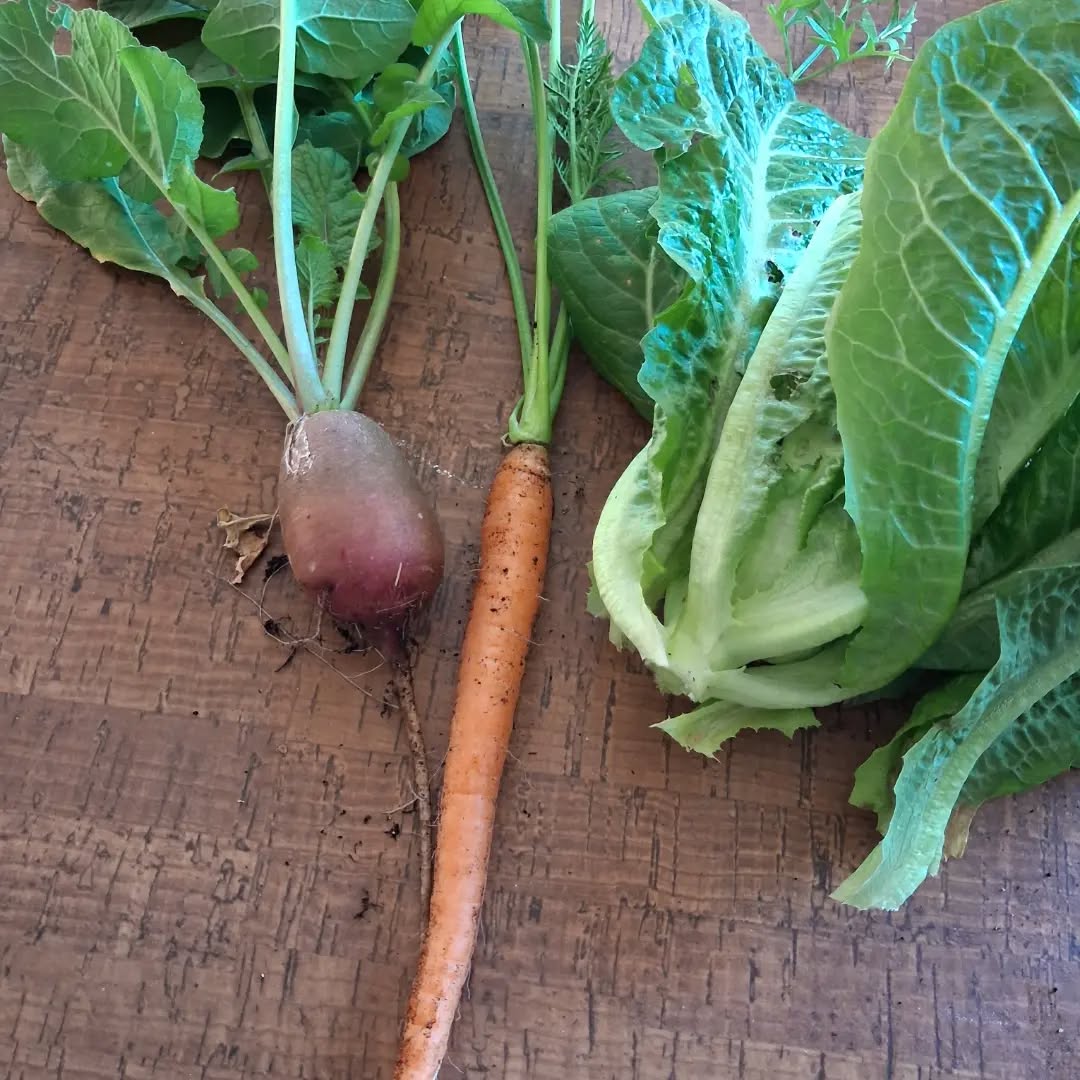
I have always been challenged by the fussy carrot.
I planted too early. Too late. Too close. Too deep. Too shallow. Wrong soil. Not enough water. Too much water. Aaaaahhhggg!
For something so inexpensive at the grocery store, carrots sure have given me a ridiculous amount of grief. But this year, I finally nailed it. Carrots, beets and romaine lettuce from the garden at the end of November. I'll take it.
When to plant carrots in the South
Carrots are a cool-season crop. Here in the South, spring and fall are usually your best opportunities to grow them. Fall carrots can be particularly good since cooler temperatures help the roots develop their sweetness.
For a spring harvest, start sowing seeds about 2-3 weeks before your average last frost. For fall, count backward about 10-12 weeks from your first expected frost. Check the days to maturity on your seed packet and allow some extra time for slower growth as the days get shorter.
The South covers a lot of different growing conditions, so use your local frost dates rather than relying on a planting date from somebody else's garden. Gardeners in warmer areas may be able to grow carrots throughout winter. Those in colder areas can extend their harvest with mulch and row covers.
Get the soil right before planting
Carrots need loose soil without a bunch of rocks, compacted clay or large clumps of organic material. Anything physically obstructing that developing root can leave you with some rather peculiar-looking carrots.
Loosen the soil about 10-12 inches deep for longer varieties. Work in some well-aged compost if your soil needs it. Skip the fresh manure and heavy applications of nitrogen fertilizer. You're growing roots, not a giant mass of carrot foliage.
If you have heavy clay soil, try shorter carrot varieties or grow them in a raised bed. A container with adequate depth and drainage works just fine, too.
Getting carrot seeds to germinate
This is where things can get frustrating. Carrot seeds are tiny and slow to germinate. They can take anywhere from one to three weeks to emerge, sometimes longer in cold soil.
Direct sow them about 1/4 inch deep and cover them lightly with fine soil. Carrots don't transplant particularly well, so there's no need to mess with seed trays indoors.
The tricky part is keeping that top layer of soil consistently damp without saturating it. A gentle spray of water works better than blasting the bed with a garden hose and sending those tiny seeds halfway across the garden.
Check the soil every day. More often during warm, dry weather. Full sun is preferable, but temporary light shade during germination can help keep the seedbed from drying out in hot weather.
Don't give up and replant after five days. Carrots take their sweet time.
Thin your carrots
I am a chaos gardener. Precision planting isn't exactly my thing. Carrots are one of those crops where a little discipline pays off.
Once the seedlings are a couple of inches tall, thin them to about 2-3 inches apart. Larger varieties may need more room. Snip the unwanted seedlings at soil level if pulling them risks disturbing the neighboring roots.
Crowded carrots compete for water, nutrients and space. You can end up with beautiful green tops and disappointingly small roots underneath.
Watering and caring for carrots
Once your carrots are established, water deeply enough to reach the developing roots. About an inch of water per week, including rainfall, is a reasonable starting point. Adjust for your soil and weather.
Going from extremely dry soil to saturated soil can cause carrots to split. Consistency matters more than following some rigid watering schedule.
A light layer of mulch around established seedlings helps retain water and suppress weeds. Carrots aren't particularly good at competing with weeds, especially when they're young.
Keep exposed carrot shoulders covered with a little soil to prevent them from turning green and developing a bitter flavor.
When are carrots ready to harvest?
Look at the shoulder of the carrot where the root meets the foliage. For many varieties, a shoulder about 1/2 to 1 inch across indicates a usable carrot. Smaller varieties will be ready at a different size.
Pull one and see what you've got. That's often more useful than obsessing over the number of days on the seed packet.
If the soil is firm, loosen it with a garden fork before pulling. Don't yank the tops off and leave the carrot buried underground.
Fresh garden carrots have a sweetness and texture that I rarely get from grocery store carrots. Roast them with a little olive oil and salt. Throw the beets in the oven with them. Dinner doesn't need to be complicated.
Keep track of what works
I plant by feel quite a bit, but crops like carrots make a good argument for keeping garden records. Write down your variety, planting date, germination date and harvest date. Make a note of the weather and any problems you encounter.
My photo shows the harvest, not the growing process. The exact variety, planting date and soil conditions aren't recorded here, so the planting recommendations are a starting point rather than a record of this particular crop.
Start with a small patch. Sow another short row a couple of weeks later if your growing season allows it. You'll have something to compare without committing an entire garden bed to one experiment.
And allyall, gardening is hard sometimes. I don't care how many years you've been doing it. There will be crops that frustrate the hell out of you. There will be things you grow beautifully one year and can't seem to grow the next.
It's OK to admit it. Those carrots on my table took years of figuring things out. That made this little harvest particularly satisfying. :)
Want a plan that matches your zip code?
Get your free planting calendar →