Growing Ginger Outside the Tropics From January to October
I started my ginger in January and harvested it in October, just ahead of the cold. Here's how I grew a tropical plant through a very non-tropical growing season.
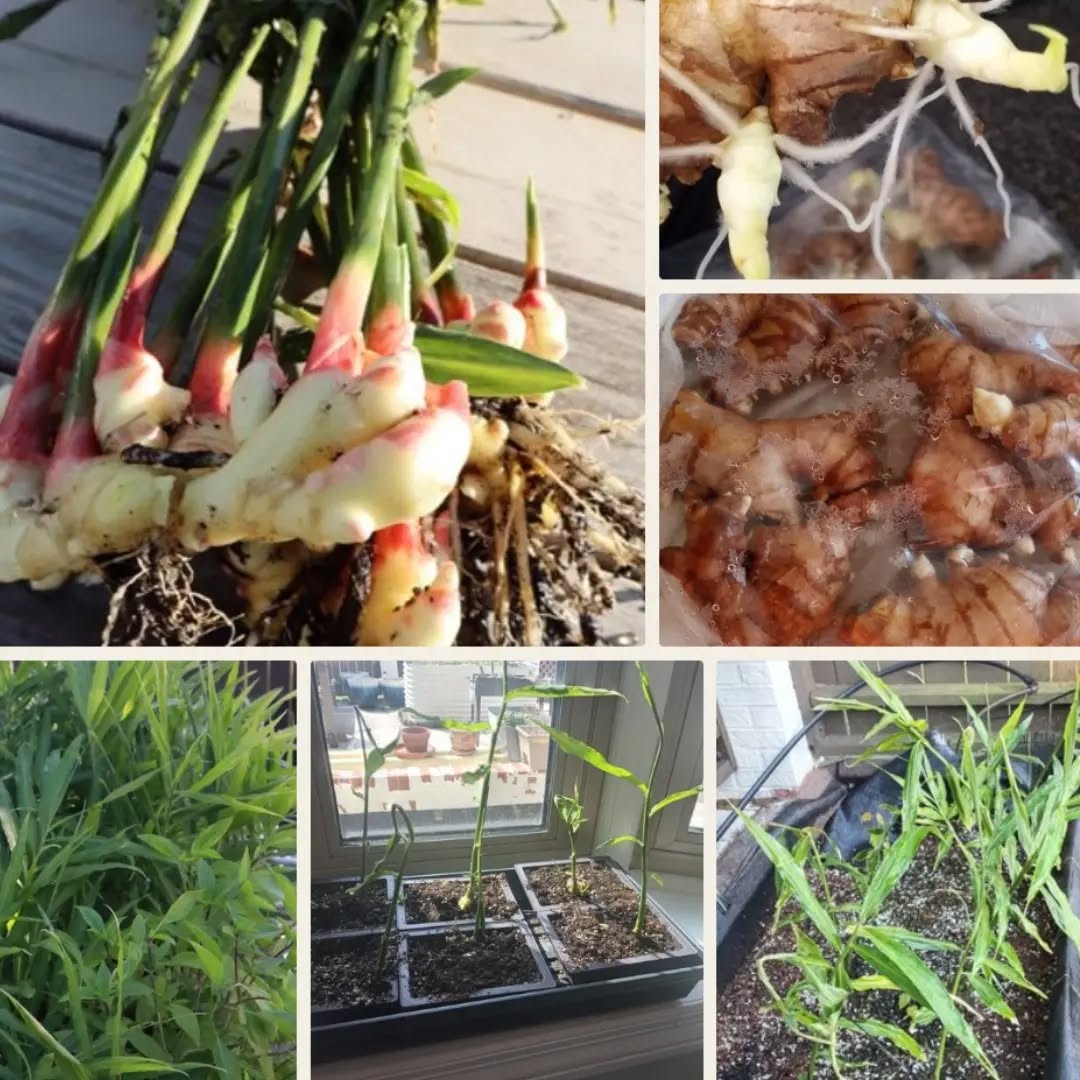
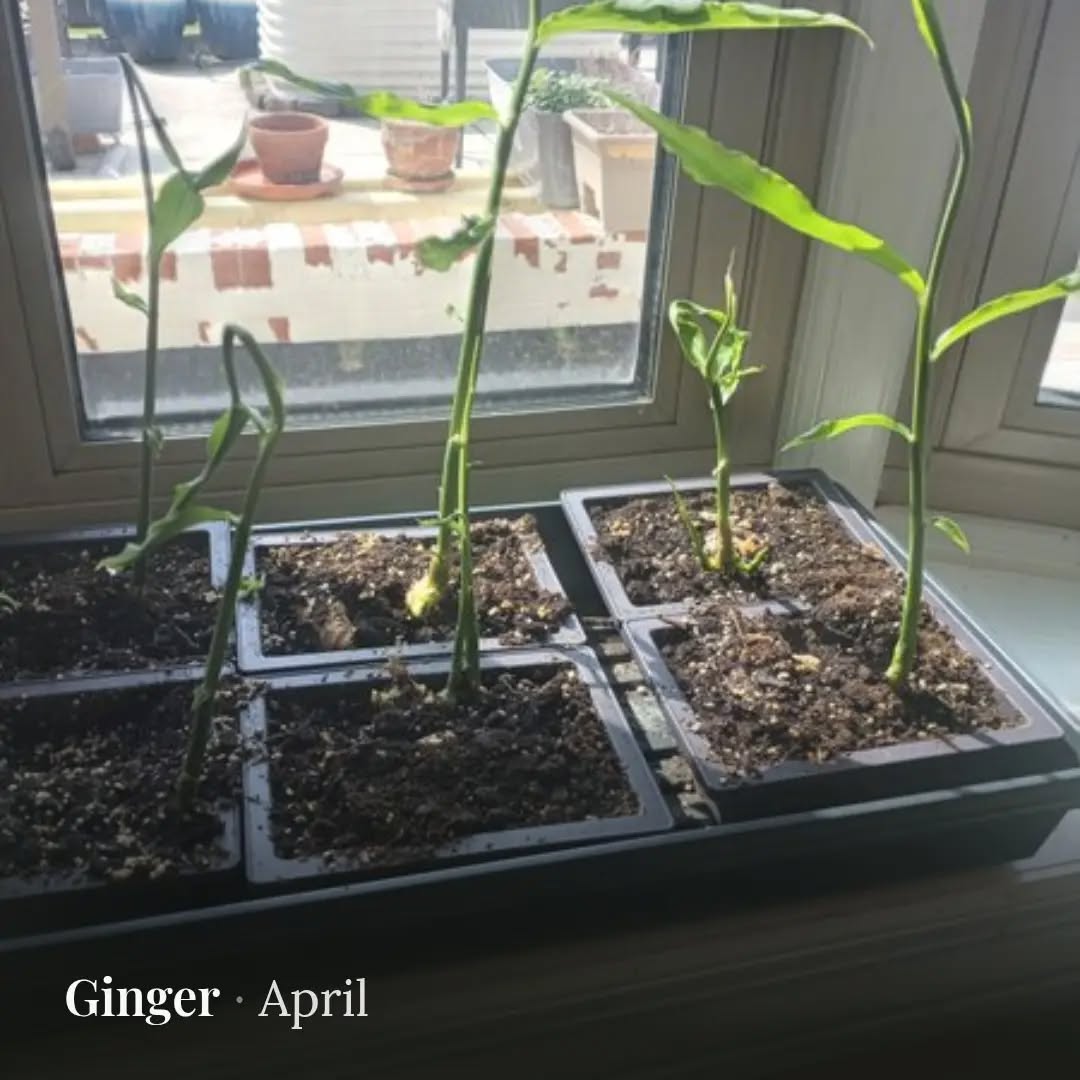
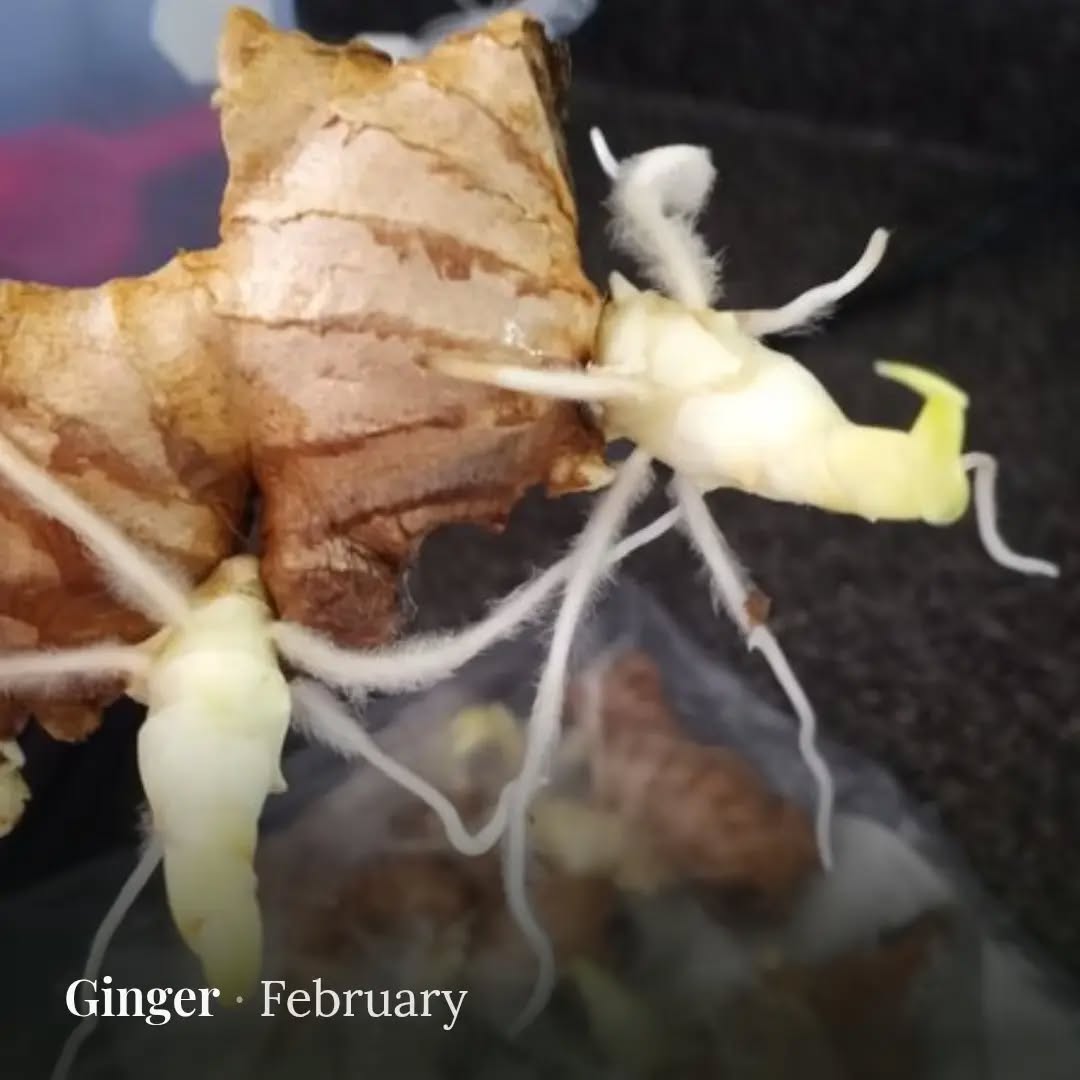
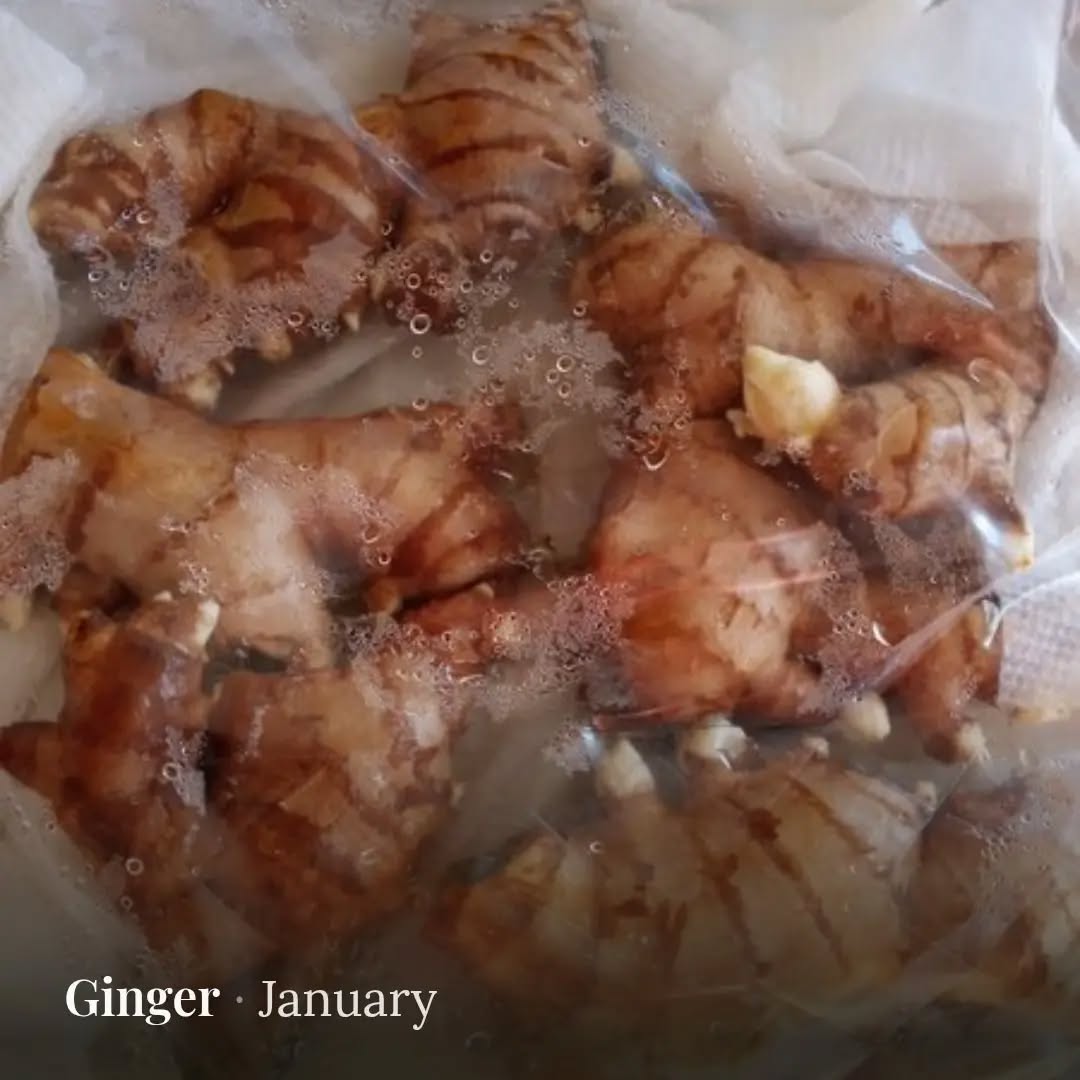
Growing ginger in a non-tropical climate is absolutely possible. It just takes some planning, a long growing season, and a little patience.
I started mine in January and harvested it in October, right before the weather got too cold. Nine months of tending a plant that would much rather live somewhere tropical. Worth it.
And no, you don't need a greenhouse.
Starting Ginger in January
Ginger grows from rhizomes. Those knobby pieces you buy at the grocery store are actually underground stems, not roots. Each piece can produce new shoots and eventually more ginger.
I started mine in January. That's ridiculously early for most outdoor gardening, but ginger needs time. Lots of it.
In tropical climates, ginger can grow nearly year-round. The rest of us have to get creative.
Look for fresh, firm ginger with visible growth buds. Those little bumps are where new shoots develop. Organic ginger is a good option, particularly if you're buying grocery store ginger that hasn't already started sprouting.
You can start ginger in a shallow container filled with well-draining potting mix. Set the rhizome just below the surface with the buds facing upward. Keep it warm, around 75-85°F if possible, and water lightly.
Don't drown it. Ginger can rot before it ever produces a shoot if the growing medium stays soggy.
February: Finally, Some Growth
By February, my ginger was showing pale sprouts and developing roots.
Ginger isn't particularly interested in your schedule. Some pieces sprout quickly. Others take weeks to do anything.
Warmth makes a huge difference. A sunny window can work, but a consistently warm location is more useful than bright light before the shoots emerge.
Once green growth appears, give the plant bright, indirect light. If your indoor space is dark, a grow light helps prevent weak, stretched stems.
I wouldn't rush to move ginger outside. Cold soil can stop growth, and frost can kill the foliage.
Spring: Keeping Ginger Going Indoors
Spring is where patience gets tested.
Your other garden plants are getting started, the weather is improving, and you're itching to move everything outside. Ginger still needs warmth.
Wait until nighttime temperatures are consistently above 55°F before moving plants outdoors. Ginger grows best in warmer conditions, particularly when temperatures reach the 70s and 80s.
Introduce indoor plants to outdoor conditions gradually over about a week. Start with a sheltered, shaded spot and increase their exposure a little each day.
Ginger prefers partial shade in hot climates. Morning sun and afternoon shade work well.
One thing I love about ginger is its foliage. Those tall, narrow leaves give the garden a tropical appearance without requiring a tropical climate.
June: Ginger Moves Into the Garden
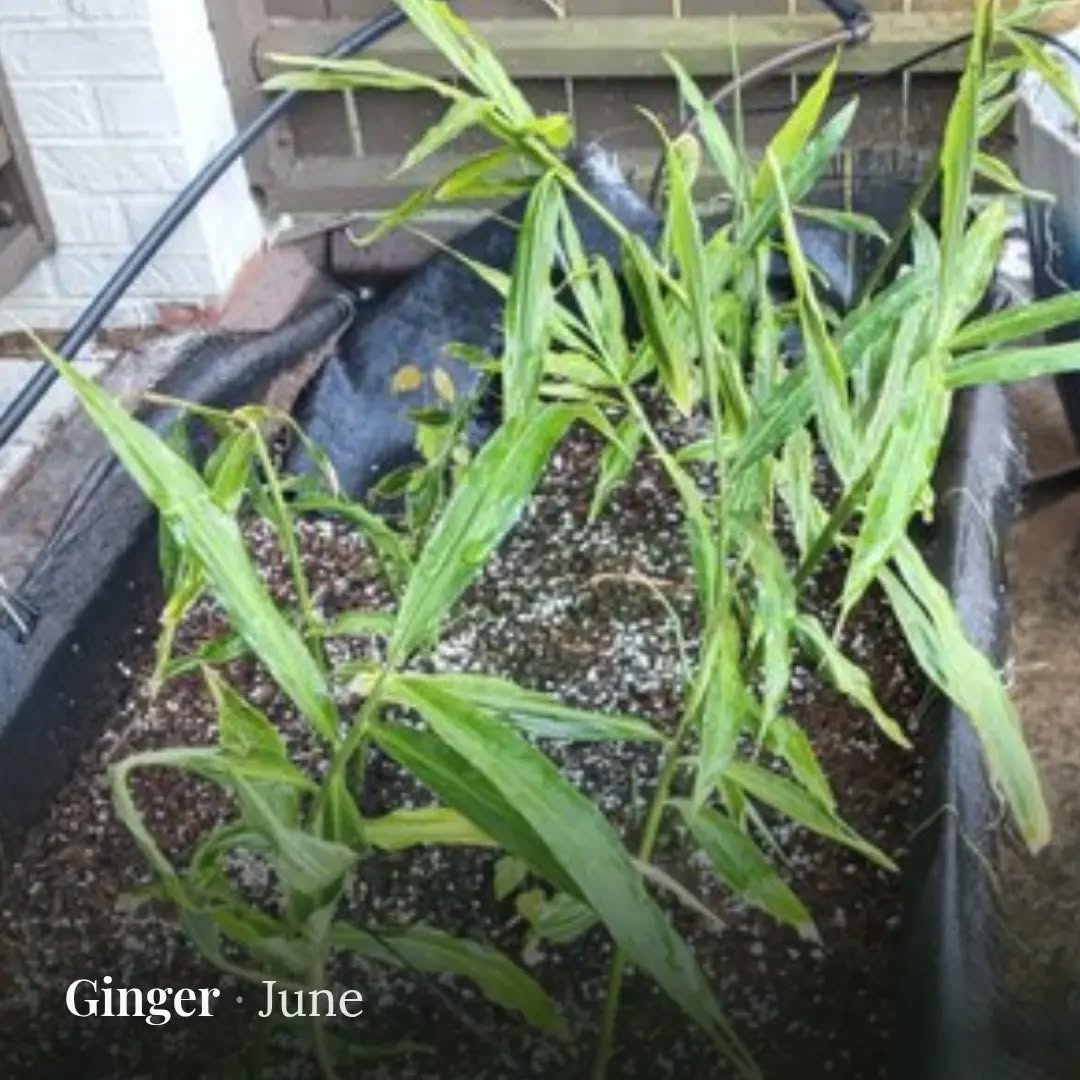
By June, my ginger was growing in a raised container bed.
Raised beds and containers make a lot of sense for growing ginger outside the tropics. The soil warms faster in spring, drainage is easier to manage, and you have more control over growing conditions.
Ginger grows horizontally. The rhizomes spread outward beneath the soil, so give them room.
A container at least 12 inches deep with plenty of width works well. Use a loose, compost-rich potting mix that drains freely.
Keep the soil consistently damp but never waterlogged. A layer of shredded leaves or untreated straw helps regulate soil temperature and reduce evaporation.
I prefer keeping plants like this somewhere I pass every day. Out of sight, out of mind is a terrible gardening strategy.
During the growing season, ginger appreciates regular watering and moderate feeding. Compost mixed into the soil at planting provides a good foundation. Container plants may benefit from occasional applications of diluted organic fertilizer.
Don't go crazy with nitrogen. You're growing ginger for the rhizomes, not just the leaves.
September: The Ginger Takes Off
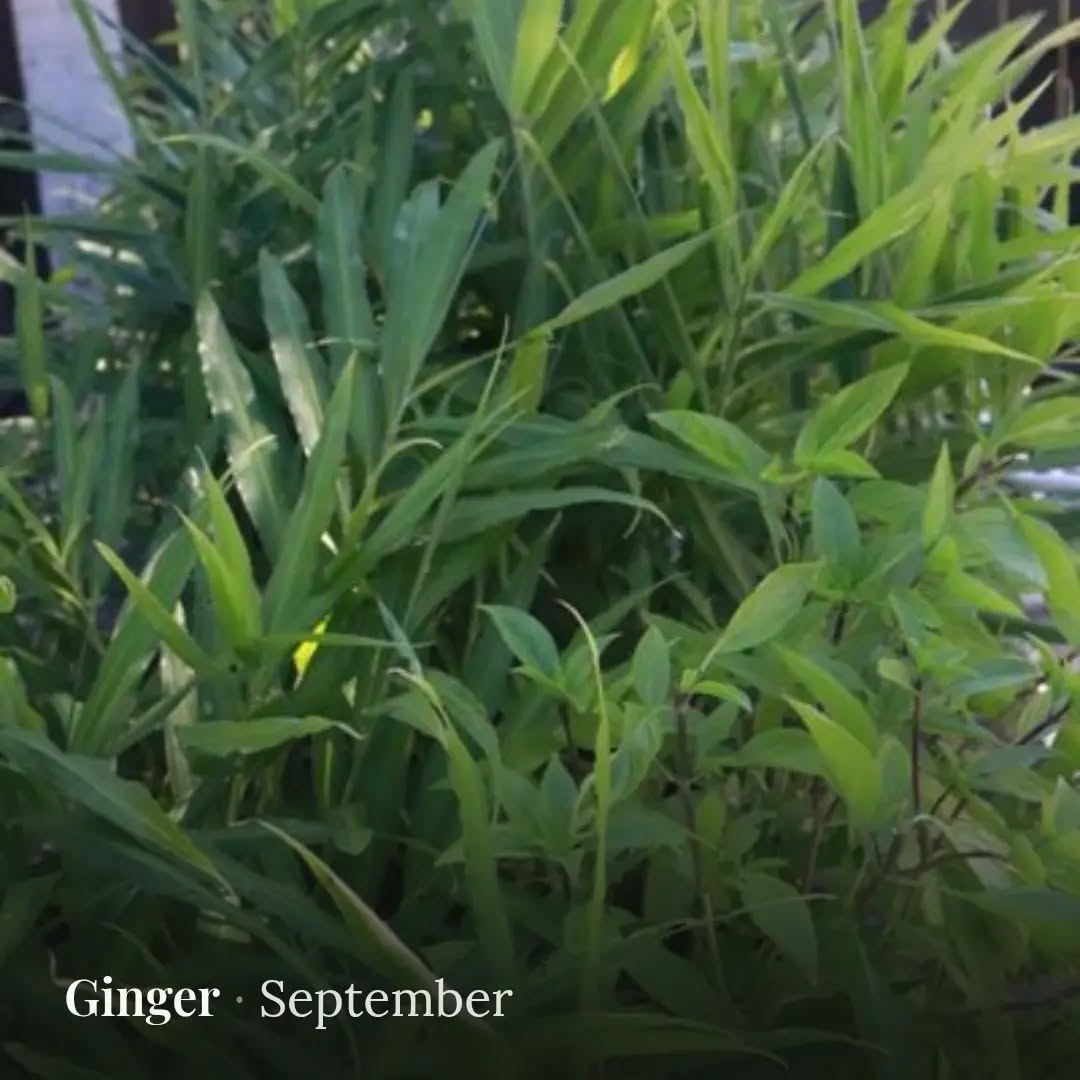
By September, the ginger had developed into a dense stand of tall green foliage.
This is when all those months of patience start making sense.
The plant spends the warm season producing leaves that capture energy for underground rhizome development. Healthy foliage supports the harvest you're hoping to get later.
Don't start cutting leaves just to tidy things up. Let the plant keep growing.
Ginger doesn't usually have major pest problems in a healthy garden, but keep an eye out for spider mites, aphids, and signs of rhizome rot.
Yellowing leaves can indicate several things, including natural seasonal decline, nutrient deficiencies, or watering problems. Check the soil before assuming the plant needs more water.
For gardeners in cooler regions, September is a good time to start watching nighttime temperatures.
You don't want an unexpected frost making the harvest decision for you.
October: Time to Harvest
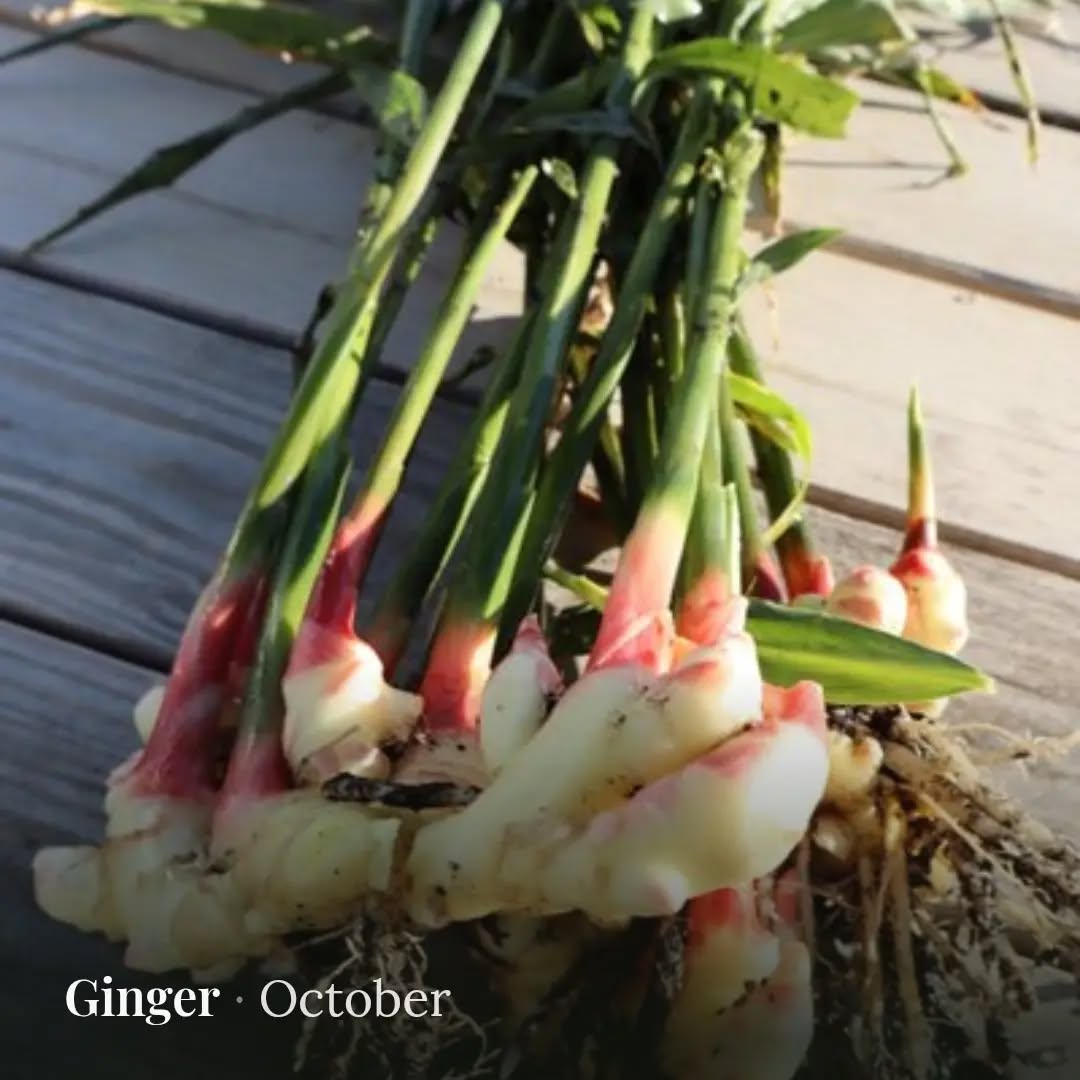
I harvested my ginger in October, just ahead of the cold weather.
The rhizomes had developed into thick, pale cream-colored pieces with pinkish growing tips. Beautiful stuff.
Freshly harvested young ginger looks different from the tan, papery ginger sold in grocery stores. The skin is thin, the flesh is tender, and the flavor tends to be less fibrous.
To harvest, loosen the soil around the plant and gently lift the rhizomes. Try not to snap off the growing tips if you plan to save pieces for next year.
Shake away loose soil and rinse the ginger when you're ready to use or store it.
You can harvest ginger before the foliage dies back. In climates with longer warm seasons, gardeners often wait until the leaves naturally yellow and decline for a more mature harvest.
In colder climates, your first frost determines the deadline.
Whatever. Work with the weather you've got.
Saving Ginger for Next Year
One of the best things about growing ginger is that you can save part of your harvest to start the next crop.
Choose healthy, firm rhizomes with visible buds. Avoid anything soft, moldy, or damaged.
For short-term kitchen storage, fresh ginger keeps well in the refrigerator. Freeze extra ginger for cooking. I like having it available for soups, stir-fries, and tea.
For planting stock, freezing is obviously out. Keep healthy rhizomes in a cool but frost-free location, ideally around 55-60°F, with some humidity and airflow. Check them periodically for shriveling or rot.
You can start the growing process again indoors during winter.
If you're working with young, thin-skinned ginger, be aware that it doesn't store quite like fully mature, cured ginger. Use it sooner or preserve it for the kitchen.
Can You Grow Ginger in a Colder Climate?
Yes. The trick is understanding that ginger needs a long, warm growing period.
Gardeners in USDA zones 8 and 9 may have enough outdoor growing time to produce a decent crop with an early indoor start. In colder zones, containers are particularly useful. You can move them indoors when temperatures drop.
Gardeners in zones 6 and 7 should expect to start ginger indoors months before their last frost. January or February is a reasonable starting point if you have a warm growing space.
In warmer Southern gardens, ginger may survive winter underground with protection, depending on the species, drainage, and local temperatures. Don't count on culinary ginger surviving a hard freeze. Digging and storing rhizomes is the safer option.
And if your growing season is short, don't expect enormous mature rhizomes. Young ginger is still delicious.
That's the nice thing about this crop. You don't need a perfect tropical growing season to get something useful.
What I'd Tell Someone Growing Ginger for the First Time
Start small. Buy a couple of healthy rhizomes and see what happens.
Give them warmth early, plenty of growing room, regular water, and protection from cold temperatures.
Don't confuse slow growth with failure. Ginger takes its sweet time getting established.
Keep track of when you start it, when it sprouts, and when you move it outdoors. I'm a chaos gardener, but even I know there's value in writing down a few dates. Otherwise, next January rolls around and I'm trying to reconstruct the entire growing season from photographs.
And take pictures. Looking back at my ginger from January through October makes the progress obvious. Those little pale sprouts eventually became a bed full of tropical foliage and a harvest of fresh ginger.
I grow plenty of things for practical reasons, but I grow plants for their beauty too. Ginger checks both boxes.
Plus, I like to eat. Fresh ginger straight from my own garden beats buying another questionable piece from the grocery store.
Nine months is a long time to wait for a harvest. I'd do it again.
Want a plan that matches your zip code?
Get your free planting calendar →