Growing Makrut Lime in the South for Thai Cooking
My makrut lime tree went from a little plant to a serious producer in two years. Here's how I grow it, harvest those fragrant leaves, and candy the unusual fruit.
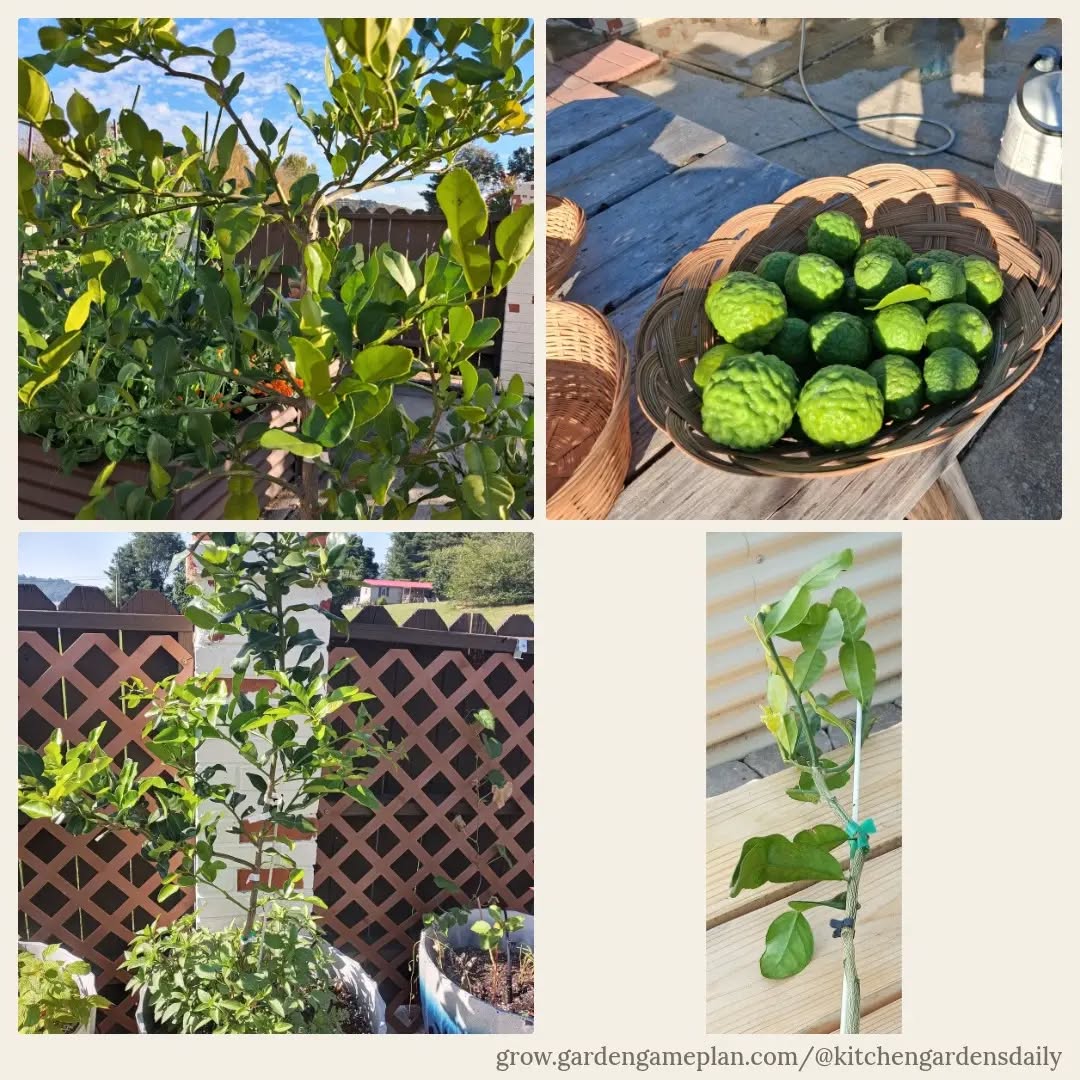
There's one ingredient that makes Thai food taste like Thai food, and I grow it right in my kitchen garden. Makrut lime.
If you've ever made Thai curry or tom yum soup and wondered why yours doesn't quite taste like the restaurant version, this might be what you're missing.
The leaves have an unmistakable citrus fragrance. Nothing else tastes quite like them. And grocery stores? Good luck finding fresh ones. When you do, they're expensive.
I decided to grow my own. Best decision ever.
My Makrut Lime Tree: Two Years of Growth
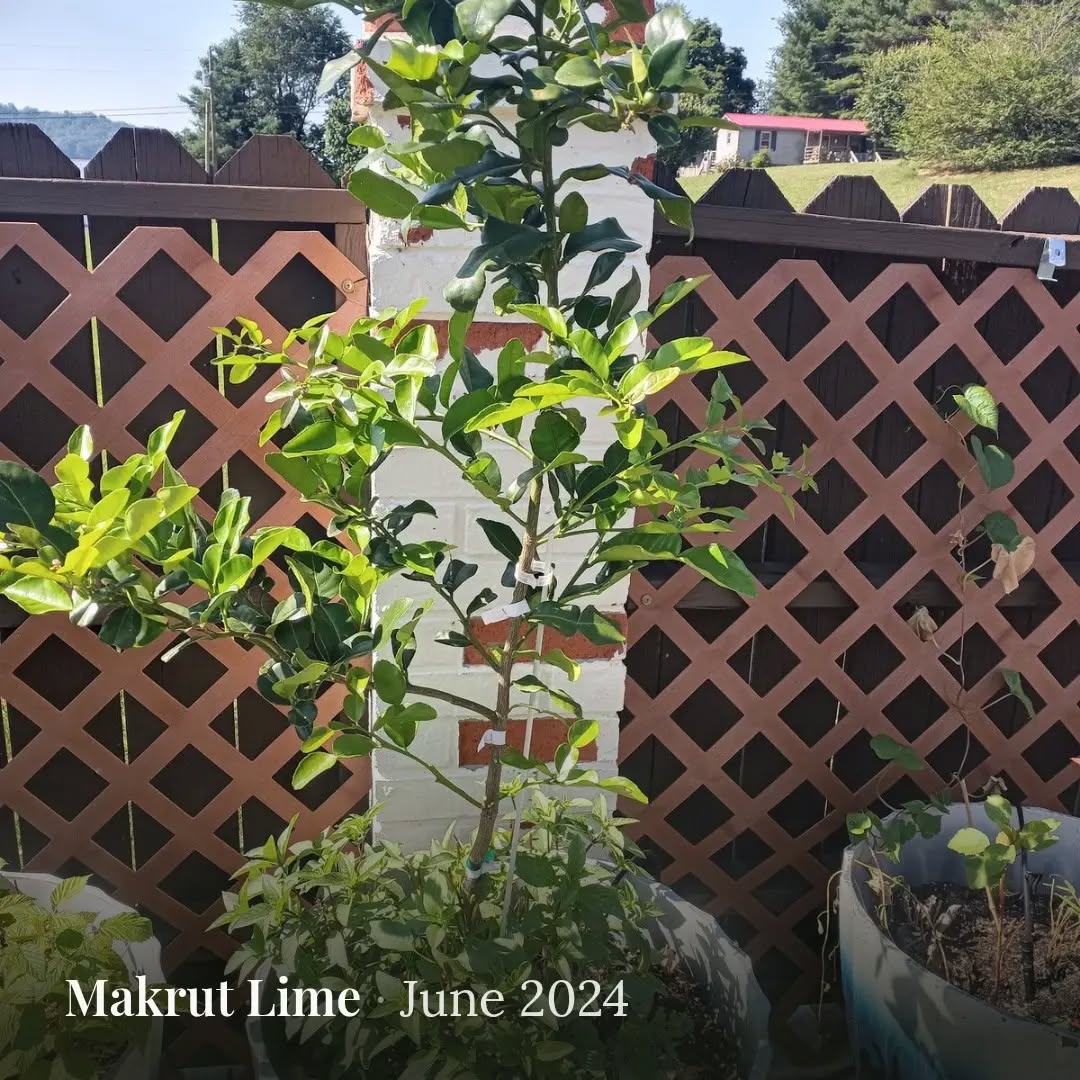
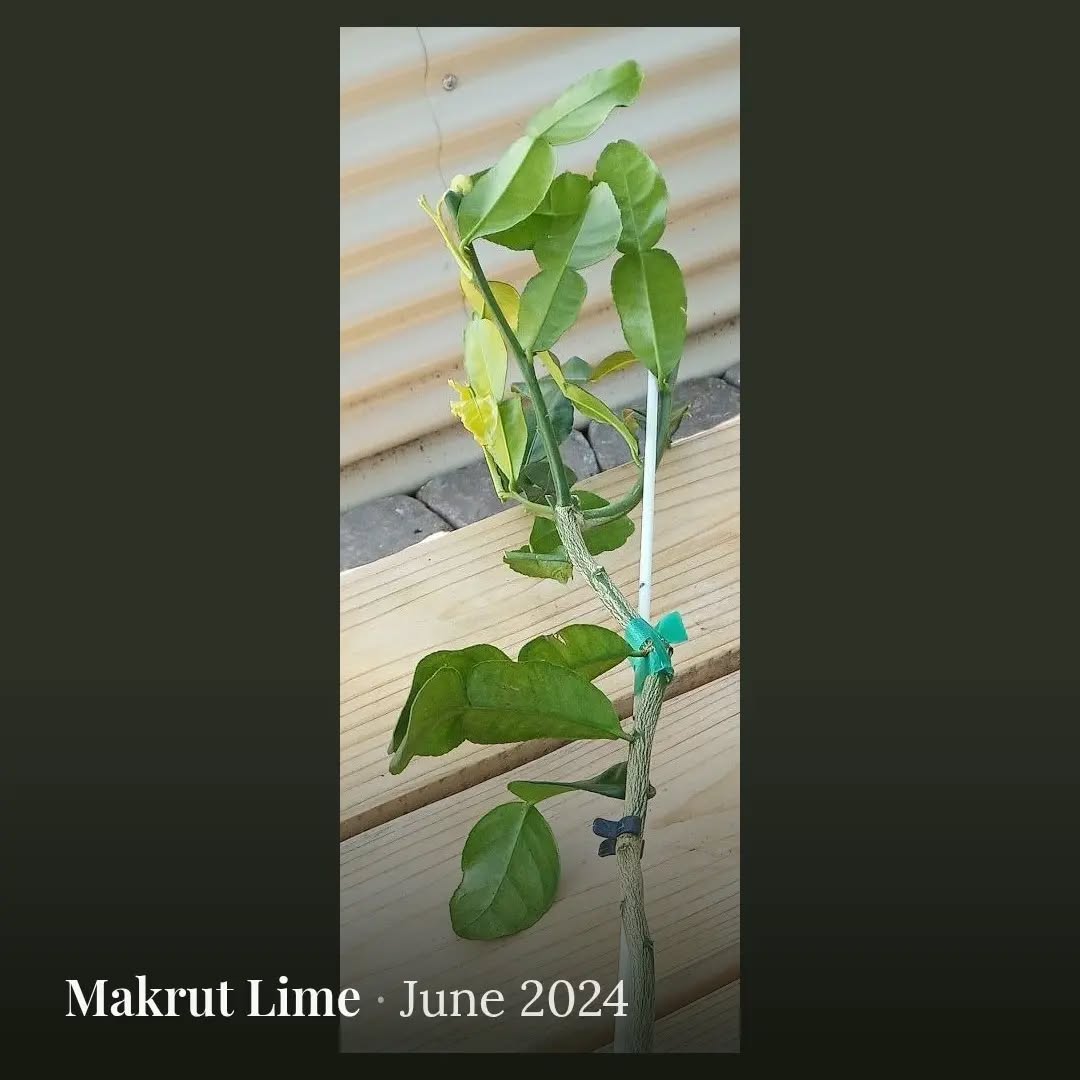
I bought my makrut lime tree from Fast Growing Trees a couple of years ago. It was a relatively small plant when it arrived in 2024.
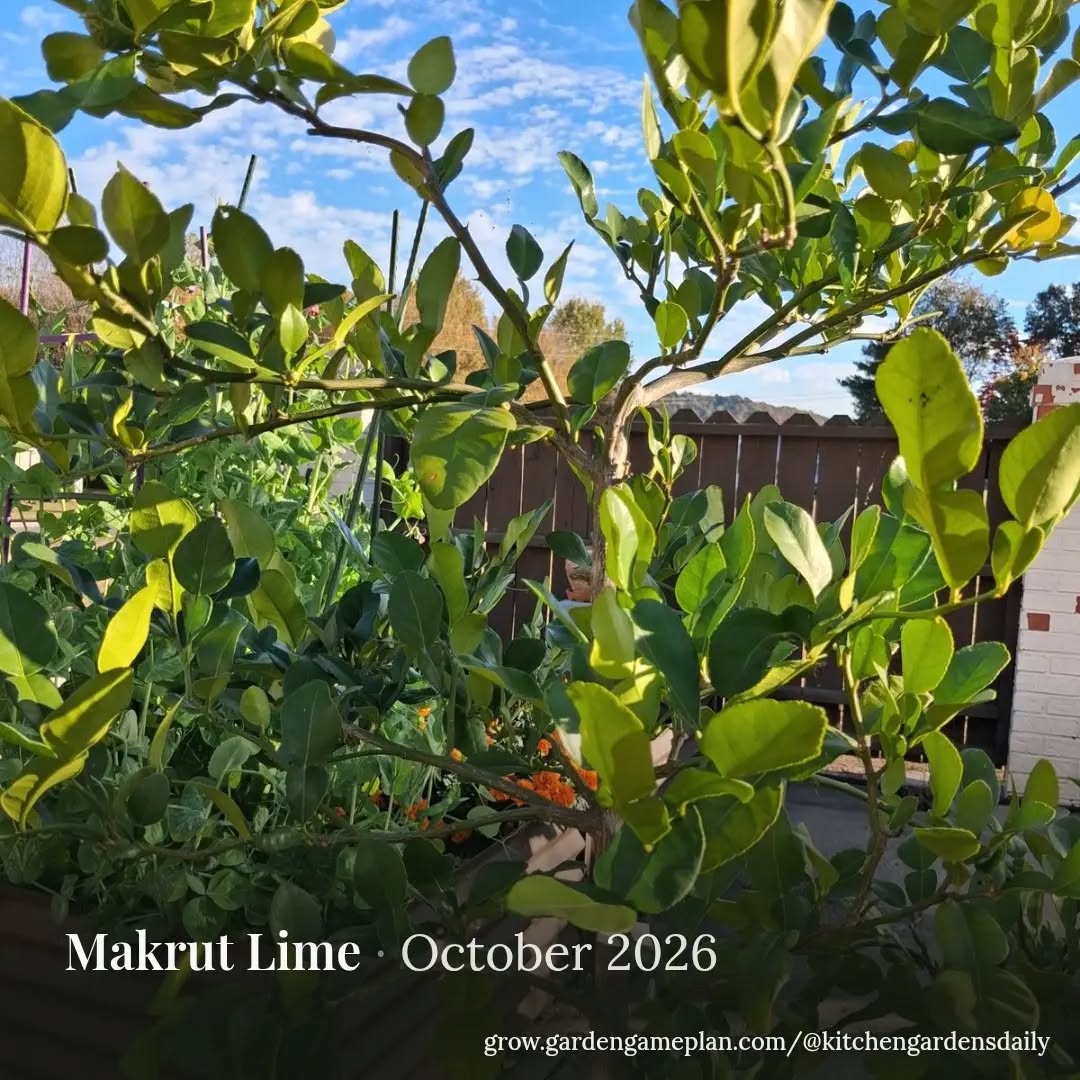
Now it's thriving in my kitchen garden, producing loads of fragrant leaves and those strange, knobbly green limes.
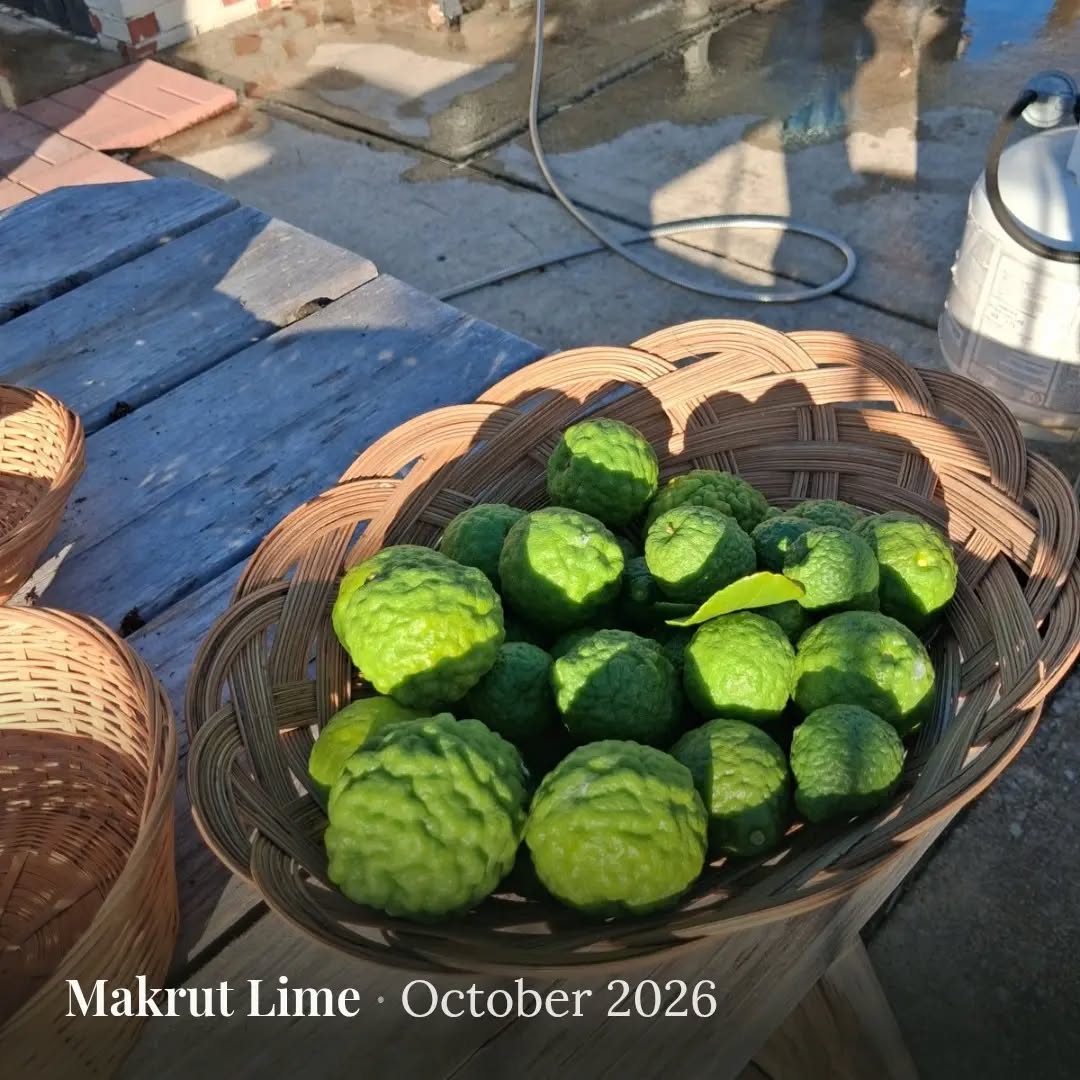
The photos tell the story. In June 2024, it was a young plant that needed a stake for support. By October 2026, I had a basket of fruit to harvest.
That's a pretty satisfying return on one little citrus tree.
I'm a chaos gardener. I plant things where I think they'll look good and figure out the rest along the way. But citrus is one of those plants where a little attention to placement makes a big difference.
Growing Makrut Lime in a Southern Kitchen Garden
Makrut lime (Citrus hystrix) is a tropical citrus tree. It loves sunshine, warmth, and good drainage.
It's not particularly complicated to grow, but cold weather is another story.
Makrut lime is happiest in warm climates, typically USDA zones 10-11 for year-round outdoor growing. Gardeners in colder zones can grow it in containers and move it somewhere protected when temperatures drop.
I abhor the cold. Apparently, my citrus trees agree.
Give It Plenty of Sun
Makrut lime grows best with at least six hours of direct sunlight. In the South, some afternoon protection can help young plants during brutal summer heat.
My tree grows outdoors near a brick pillar and lattice fence. The support structure helped when it was young, and the location gives it plenty of light.
Choose a spot with good airflow. Don't cram citrus into a dark corner and expect it to produce.
Soil and Watering
Citrus roots hate sitting in waterlogged soil.
Use well-draining soil. If you're growing makrut lime in a container, choose a pot with drainage holes and a quality citrus potting mix.
Water deeply, then let the upper inch or two of soil dry before watering again. Container plants need more frequent attention during hot weather.
A layer of organic mulch helps regulate soil temperature and reduces evaporation. Keep it a few inches away from the trunk.
I check my plants during my daily garden walkthrough. Takes a few minutes, and I catch problems before they become disasters.
Feeding Your Makrut Lime
Citrus trees need nutrients to support healthy foliage and fruit production.
I prefer a fertilizer formulated for citrus, applied according to the label during active growth. Citrus fertilizers typically supply nitrogen and micronutrients that help prevent yellowing leaves.
Don't dump extra fertilizer on a struggling plant without checking the soil and roots first. Yellow leaves can indicate nutrient deficiencies, poor drainage, or watering problems.
More fertilizer isn't always the answer.
Protecting Makrut Lime From Cold Weather
October is when I start paying closer attention to nighttime temperatures.
Makrut lime isn't a cold-hardy citrus. Frost can damage its leaves and tender branches, and a hard freeze can kill the tree.
If you're growing one in a container, move it into a greenhouse, sunroom, or another bright, protected location before freezing temperatures arrive.
For an established tree in the ground, frost cloth can provide temporary protection during brief cold spells. Cover the canopy down to the ground and remove the covering when temperatures recover. Prolonged freezes require more substantial protection.
Don't wait until the forecast says 25 degrees to figure out what you're going to do.
In regions with regular winter freezes, container growing is the practical choice.
Harvesting Makrut Lime Leaves
Here's what makes this tree so useful: you don't have to wait for fruit.
The leaves are the real prize for Thai cooking.
Makrut lime leaves have a distinctive double-lobed appearance. They look like two leaves joined together, which makes them easy to recognize.
Once your tree has established a healthy canopy, you can harvest leaves throughout the growing season.
I take a few mature leaves from different branches rather than stripping an entire section. Leave plenty of foliage so the tree can keep growing.
Fresh leaves are wonderful in Thai curries, soups, and coconut-based dishes.
My favorite uses include green curry, tom yum soup, and coconut chicken soup.
You can add whole leaves during cooking and remove them before serving, much like bay leaves. For dishes where you want the leaves incorporated, remove the tough central rib and slice the leaves very thinly.
The fragrance is incredible.
Storing Extra Leaves
Makrut lime leaves freeze beautifully.
Wash and dry them, place them in a freezer-safe bag, and freeze them whole. Pull out what you need when you're cooking.
This is one of those crops where growing your own makes a noticeable difference in the kitchen. Fresh leaves aren't always available locally, but a productive tree can give you enough to freeze for later.
What About Those Knobbly Little Limes?
The fruit looks nothing like the smooth limes at the grocery store.
Makrut limes have thick, deeply textured green skin. They're small, bumpy, and honestly a little weird-looking.
I love them.
The fruit contains relatively little juice compared with ordinary grocery store limes. The juice is intensely acidic, and the rind has a powerful citrus fragrance.
The zest works beautifully in curry pastes and other strongly flavored dishes. Use it sparingly. A little goes a long way.
And then there's my favorite thing to do with the fruit.
I candy it.
Making Candied Makrut Lime
Candied makrut lime is tart, sweet, fragrant, and completely addictive.
The thick rind makes it a good candidate for candying, but it needs a little preparation to tame the bitterness.
Here's the basic process I use as a starting point:
- Wash the limes thoroughly and cut them into thin slices or small pieces, removing the seeds.
- Blanch the pieces in boiling water for a few minutes, then drain. Repeat with fresh water two or three times to reduce bitterness.
- Make a simple syrup using equal parts sugar and water.
- Add the lime pieces and simmer gently until the rind becomes tender and translucent. This can take an hour or longer, depending on thickness.
- Let the pieces cool in the syrup, then drain them on a rack if you prefer a less sticky finish.
Taste a small piece after blanching. Makrut lime rind can be intensely bitter, and some fruit needs extra blanching.
The finished candy has a flavor you won't get from ordinary lime peel.
I like it chopped into baked goods, served with dark chocolate, or eaten straight from the jar.
Store homemade candied lime in the refrigerator. This isn't a shelf-stable canning recipe.
One important detail: citrus peel can contain compounds that irritate skin when exposed to sunlight. Wash your hands after handling the fruit, particularly before working outdoors.
A Few Things I've Learned About Growing Citrus
I see so many gardeners treating citrus like it's some mysterious horticultural challenge.
It's a tree. Give it what it needs, pay attention, and don't overcomplicate the process.
Young makrut lime trees can benefit from a support stake during establishment. Mine had one in June 2024. Check the ties regularly so they don't cut into growing branches, and remove unnecessary supports once the trunk can stand on its own.
Watch for scale insects, spider mites, and citrus leafminers. Inspect the undersides of leaves and look for sticky residue, distorted new growth, or unusual yellowing.
A strong spray of water can dislodge some pests. Horticultural soap can help with certain infestations when used according to the label. Avoid spraying during extreme heat, and check for beneficial insects before treating anything.
Citrus flowers attract pollinators, and healthy soil supports the tree's long-term growth. I prefer keeping the surrounding garden diverse rather than turning every plant into a separate project.
Pruning is pretty straightforward. Remove dead, damaged, or crossing branches. Don't get carried away cutting healthy growth. That's where your future leaves and fruit come from.
For container-grown trees, watch for roots circling the pot or water running straight through without soaking into the mix. Those are signs it may be time to repot.
Is Makrut Lime Worth Growing?
Absolutely. Especially if you cook Thai food.
I like to eat, and I'm picky about ingredients. Grocery store produce is expensive enough without paying ridiculous prices for a handful of specialty citrus leaves.
Growing makrut lime gives me fresh leaves whenever I need them, fruit for experimenting in the kitchen, and a beautiful evergreen tree in the garden.
The glossy foliage is attractive on its own. The fragrant leaves are useful long before the tree produces its first lime.
And watching a little plant turn into a productive tree over a couple of growing seasons? That's one of my favorite parts of gardening.
If you live somewhere with cold winters, start with a container. Keep it close to the kitchen during warm weather and protect it indoors when temperatures drop.
If you've got a warm, sheltered spot and a serious appreciation for Thai food, makrut lime deserves some space in your garden.
Two years after planting mine, I'm harvesting baskets of fruit and using the leaves in my cooking.
Not bad for one little tree.
Want a plan that matches your zip code?
Get your free planting calendar →