Pepper Planting Guide for the South and Big Harvests
This season's peppers filled my freezer and pickle fridge, with plenty left for friends and bugs. Growing extra turned out to be pretty good pest management.
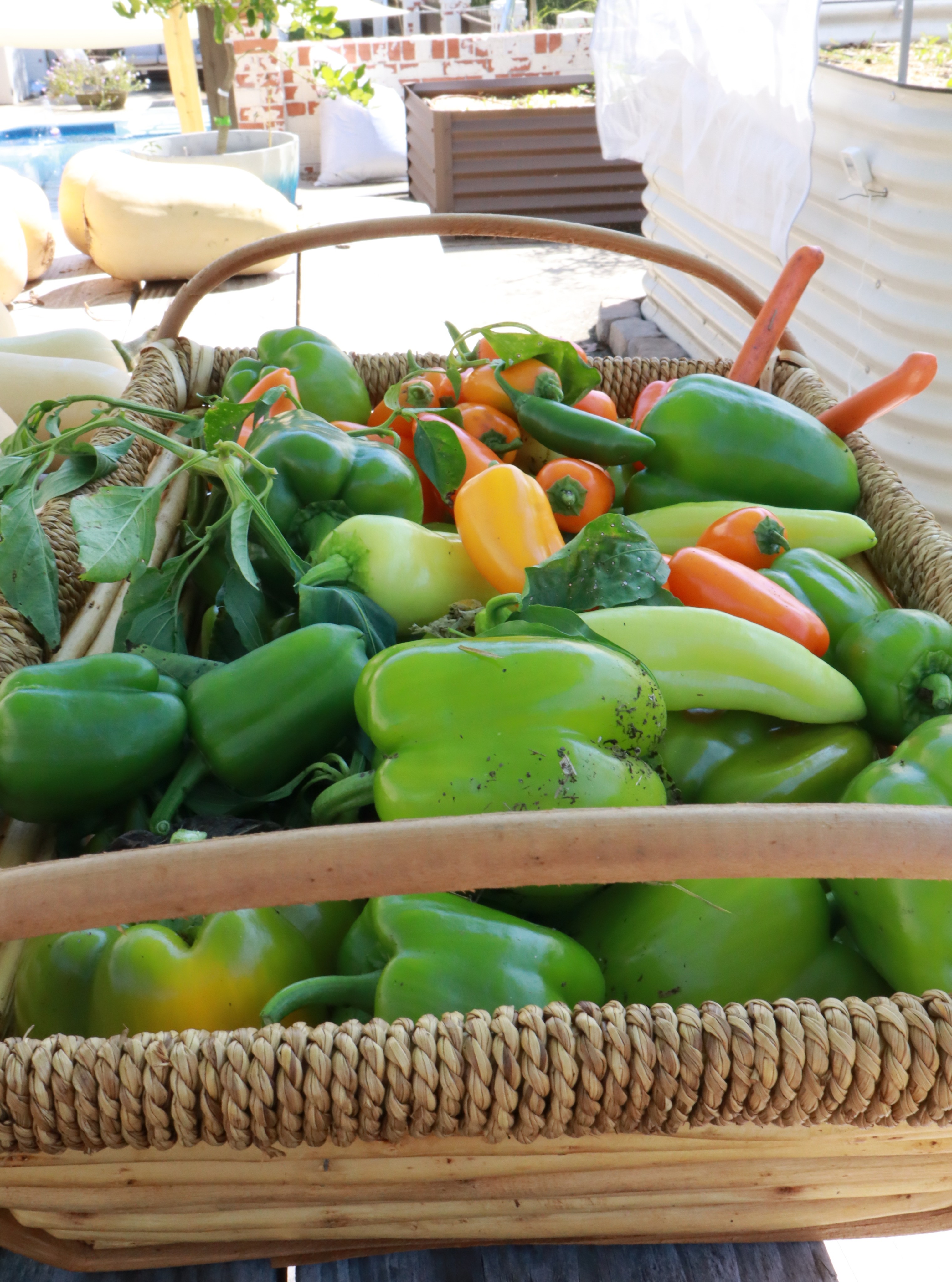
This season's pepper harvest was a success. A big one. I had enough peppers for the freezer, enough for the pickle fridge, plenty to give away, and some left for the bugs.
My approach to garden pests comes from an old organic farmer I knew years ago. He planted more than he expected to eat. Bugs ate some. He ate some. Nobody needed to declare war over a pepper.
I like this approach. I am a chaos gardener anyway, and trying to micromanage every insect in a kitchen garden sounds exhausting.
Plant enough peppers to share
Pepper plants can produce for months in a long Southern growing season. Once established in warm weather, they keep flowering and setting fruit until shorter days and cold temperatures slow them down. By late summer and early fall, a healthy patch can produce a ridiculous amount of food.
That's exactly what I want. Grocery store peppers are expensive, and frankly, I am picky. Homegrown peppers taste better, I can grow the varieties I actually want to eat, and surplus is easy to preserve.
If you have the room, plant a couple more pepper plants than your household technically needs. That gives you some insurance against insect damage, weather, broken branches, and the occasional plant that just refuses to get with the program.
Don't crowd them to accomplish this. Peppers need decent airflow and enough sun to produce well. More plants crammed into the same little space aren't necessarily going to give you more peppers.
Give the bugs a little tolerance
A chewed leaf or damaged pepper doesn't automatically require intervention. I do a daily garden walkthrough and look at the whole plant. Is it growing? Flowering? Producing healthy fruit? Is the damage minor and limited? Fine. Carry on.
A diverse garden helps here too. Flowers and herbs near the vegetable beds provide food and habitat for beneficial insects. Those insects can help keep aphids and other small pests from getting completely out of hand.
There is a limit to my magnanimity. A rapidly growing infestation can wreck a crop, so I still inspect plants and deal with serious problems. And squash bugs? I will swear up a storm at those durned things forever. Apparently I have boundaries.
Keep peppers producing into fall
Harvest regularly once peppers reach usable size. Picking fruit encourages the plant to keep producing, and you don't need to wait for every pepper to change color. Green peppers are simply peppers harvested before their final mature color develops.
Late in the season, watch your local forecast. Peppers are warm-season plants and cold weather ends the party. Gardeners farther south may harvest well into fall. Colder regions need to pick remaining fruit earlier. Your first frost date matters more than a date on somebody else's garden calendar.
Keep watering consistently during dry spells and leave healthy foliage intact. If plants are still flowering with weeks of warm weather ahead, let them work. Near frost, I focus on the fruit already developing rather than trying to push new growth.
Preserve the glut
This is my favorite kind of garden problem. Extra peppers can be frozen, pickled, dried, cooked into sauces, or handed to another human who likes peppers.
Freezing is ridiculously easy. Wash them, remove damaged sections, prep them for how you'll use them later, and freeze. Pickling takes more work but earns permanent space in my refrigerator. Use a tested preservation recipe when canning anything intended for shelf storage. Food safety isn't a place for chaos gardening.
Growing more than I need won't solve every pest problem. It does change the way I look at minor damage. I don't need every leaf pristine or every pepper perfect. I need healthy plants and enough food to eat.
This year, there was plenty.
Want a plan that matches your zip code?
Get your free planting calendar →