Romaine Lettuce Planting Guide for the South in Fall
My romaine lettuce went from seedlings to nearly bolting in just 22 days. Here's what I learned about growing fall lettuce, harvesting it early, and keeping fresh greens coming.
Growing Romaine Lettuce in the Fall
I love growing lettuce. It's easy, grows ridiculously fast, and saves me a significant amount of money at the grocery store. And grocery store lettuce? Half the time it's already looking sad before you get it home.
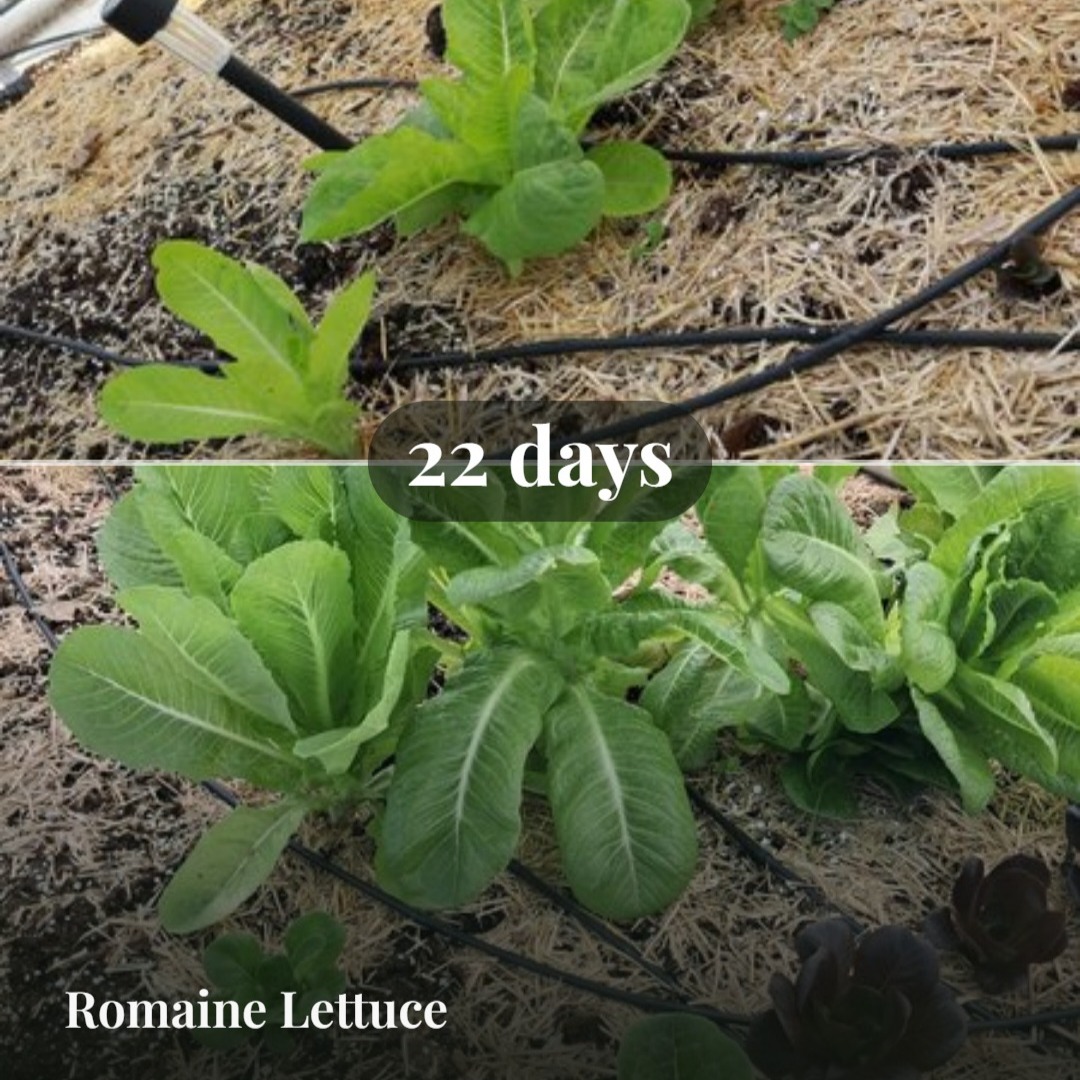
This romaine went from little seedlings to nearly bolting in 22 days. Twenty-two days! That's barely enough time to forget where I planted something.
Fall is one of my favorite times to grow lettuce, but early fall in the South can be tricky. The calendar says autumn. The thermometer hasn't necessarily gotten the memo.
Why My Romaine Grew So Fast
Lettuce is a cool-season crop. It prefers temperatures around 45-65°F, though it can grow outside that range.
When temperatures climb, lettuce grows faster and can start bolting before you've harvested much of anything.
Bolting is when the plant switches from producing leaves to producing flowers and seeds. The center starts stretching upward, the leaves can turn bitter, and your window for a good harvest gets pretty short.
My romaine was already getting close after just 22 days in the garden.
That's fast, but it's not necessarily what you want. Fast growth is great. Premature bolting? Not so much.
When to Plant Romaine Lettuce in the South
For Southern gardeners, fall lettuce planting is largely a matter of watching temperatures rather than following a rigid calendar.
In much of the South, September through November offers opportunities to plant lettuce. The timing depends on your location and how quickly your weather cools down.
September can still be brutally hot. October is often better, and gardeners in warmer areas can keep growing lettuce well into winter.
I prefer planting lettuce when daytime temperatures are consistently dropping below 75°F. Cooler weather gives the plants more time to develop before they try to flower.
If you're gardening somewhere with mild winters, you might get several rounds of lettuce before spring.
For colder areas, plant early enough to get established before freezing weather arrives. A little frost protection can extend your harvest considerably.
How I Grow Romaine Lettuce
I'm a chaos gardener. I don't need every plant arranged in perfect little rows, but I do pay attention to what works.
Lettuce doesn't require an elaborate setup. Good soil, consistent watering, and reasonable temperatures will get you pretty far.
Start With Good Soil
Lettuce has relatively shallow roots, so I want the upper few inches of soil loose and rich in organic matter.
Compost works beautifully. It helps the soil retain water without staying waterlogged.
I don't go crazy with fertilizer. If the bed has decent compost and the plants are growing well, I leave them alone.
Pale leaves or sluggish growth can indicate a nutrient problem, but check your watering and temperatures before throwing fertilizer at everything.
Keep Watering Consistent
You can see the black drip irrigation tubing running through my lettuce bed in the photo.
I love drip irrigation for lettuce. It delivers water directly to the soil, reduces waste, and keeps the leaves relatively dry.
Lettuce needs consistent water for tender, good-tasting leaves. Irregular watering can stress the plants and make an already short harvest window shorter.
Check the soil with your finger. If the top inch feels dry, it's probably time to water. Adjust for rainfall and your soil type.
Mulch helps keep soil temperatures more stable and reduces evaporation. Just leave a little space around the lettuce crowns so they aren't buried.
Give Lettuce Some Space
Romaine needs room to develop its upright leaves.
For full heads, I typically aim for around 8-12 inches between plants, depending on the variety.
If I'm planning to harvest baby leaves, I can plant much closer.
Crowded lettuce can still produce plenty of food, but tight spacing reduces airflow. That's something to watch during humid Southern weather.
Harvest Your Romaine Before It Bolts
Here's where I think people make lettuce gardening unnecessarily complicated.
You don't have to wait for a perfect, grocery-store-sized head of romaine.
In fact, I think that's a mistake when temperatures are unpredictable.
Start harvesting the outer leaves once they're large enough to eat. Leave the growing center intact, and the plant can continue producing new leaves.
This is called cut-and-come-again harvesting.
It's particularly useful for home gardens. I can walk outside, grab enough lettuce for lunch, and leave the rest growing.
If I see the center starting to elongate, I know the plant is preparing to bolt. That's my signal to harvest what I can.
Once romaine begins bolting, taste a leaf before using the rest. Some lettuce becomes unpleasantly bitter. At that point, I'd rather pull the plant and use the space for something else.
Plant More Lettuce Every Couple of Weeks
One of the easiest ways to keep lettuce coming is succession planting.
Instead of planting every seedling on the same day, plant a few every 10-14 days during suitable weather.
That spreads out your harvest and reduces the chance of ending up with a ridiculous amount of lettuce ready at once.
I've learned the hard way that planting everything together sounds great until everything needs harvesting together.
For gardeners working with a small raised bed, succession planting is particularly practical.
Harvest a few plants, add a little compost if needed, and put new seedlings in the open spaces.
Just pay attention to the weather. If temperatures are still high, wait for a cooler stretch or provide afternoon shade.
Lettuce seeds can struggle to germinate in hot soil. Starting seedlings somewhere cooler and transplanting them into the garden can help.
What About Bugs?
Lettuce is relatively easy to grow, but it's not immune to problems.
Slugs and snails love tender lettuce, particularly in cool, damp conditions. Aphids can gather inside developing heads, and caterpillars occasionally help themselves to the leaves.
I check my plants during my daily garden walkthrough. It takes a couple of minutes, and catching problems early is much easier than dealing with an infestation.
Look underneath the leaves and around the crown.
Hand-picking caterpillars and slugs works fine in a small garden. A firm spray of water can knock aphids off the leaves.
Good airflow, sensible spacing, and watering at soil level help reduce disease problems.
I don't spray something every time I see a bug. Most garden insects aren't interested in eating my lettuce, and plenty are beneficial.
Why I Keep Growing Lettuce
I am picky about my food. I like fresh produce, and I don't particularly enjoy paying inflated grocery prices for lettuce that's already deteriorating.
Growing my own makes sense.
Romaine is useful for salads, sandwiches, wraps, and quick lunches. I love having enough growing outside to harvest exactly what I need.
Freshly harvested romaine has a crisp texture that's hard to beat.
After harvesting, I rinse the leaves, dry them thoroughly, and refrigerate anything I'm not eating immediately. A salad spinner is useful here. Wet lettuce doesn't store particularly well.
Lettuce is a good crop for beginner gardeners, too. You don't need a huge garden, expensive equipment, or years of experience.
A small raised bed or even a container can produce a surprising amount of food.
My Takeaway From These 22 Days
Watching romaine go from seedlings to nearly bolting in 22 days reminded me how much temperature affects lettuce.
The plants looked healthy and grew beautifully, but they were moving through their life cycle faster than I'd prefer.
Next time, I'd rather catch a slightly cooler planting window and harvest outer leaves earlier.
That's gardening. You pay attention, make adjustments, and keep planting.
If you're thinking about growing fall lettuce, start small. Plant a few romaine seedlings, keep them watered, and watch how they respond to your weather.
Don't wait for perfect heads before harvesting.
And plant another round a couple of weeks later if your temperatures cooperate.
Fresh lettuce right outside the kitchen is one of those little luxuries that costs practically nothing once you've got a garden going. And with grocery prices these days, I'll take every bit of that.
Want a plan that matches your zip code?
Get your free planting calendar →