Library / Your Garden Space
Your Garden SpaceSmall Vegetable Garden Layouts: The 4x8 Bed
You don't need a big yard to grow something worth eating. You need a good plan. Here's one.
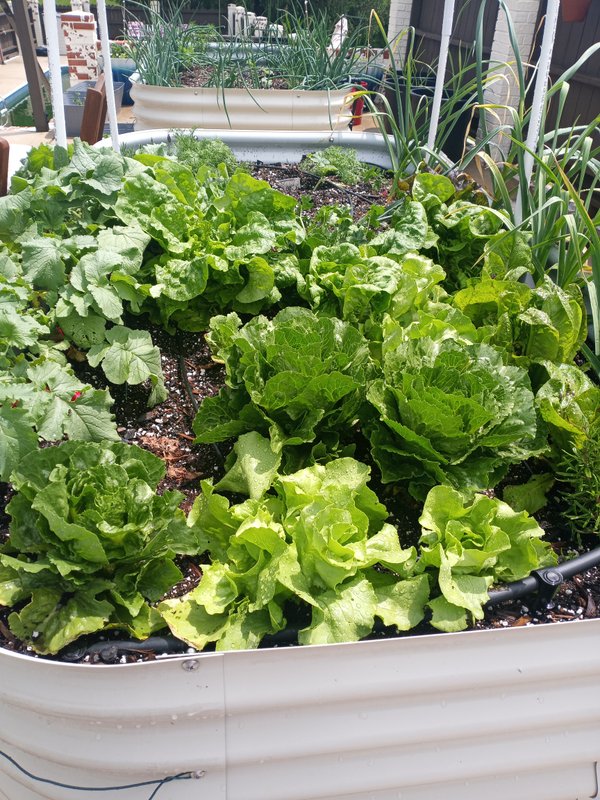
What Fits in a 4×8 Raised Bed
- Back edge - trellisTomatoes, cucumbers, or pole beans
- Middle zonePeppers, eggplant, chard, or kale
- Front edgeSalad greens, herbs, strawberries
- Corners and gapsNasturtiums, marigolds, basil
Small vegetable garden layout - where everything goes
One principle does most of the work - put the tallest plants at the end of the bed that faces away from the sun, so they don't cast shade on everything else. Then work down in height from there.
Tomatoes or beans on a trellis at the back. Medium-height plants in the middle - peppers, eggplant, chard, kale. Low-growing or spreading plants at the front edge - lettuces, herbs, strawberries, flowers. Everything gets light. Nothing gets buried in someone else's canopy.
You don't need a complex digital layout app or graph paper for this. A rough sketch on the back of an envelope is a real plan. It just needs to exist before you start digging, so you're not rearranging things once they're in the ground.
What a single 4×8 bed can actually produce
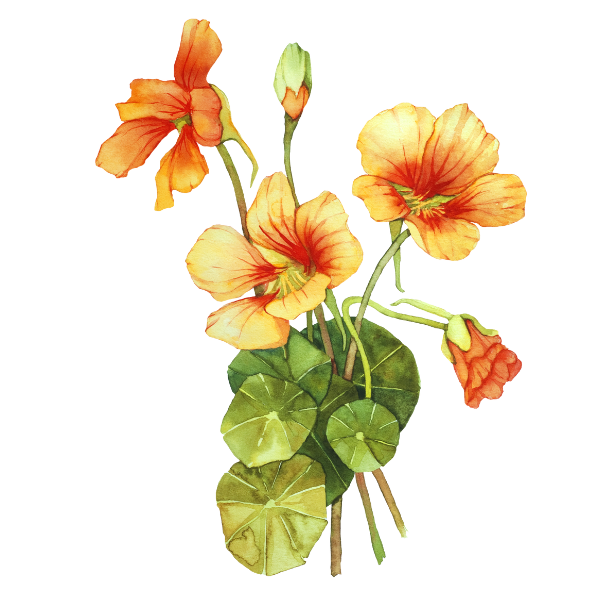
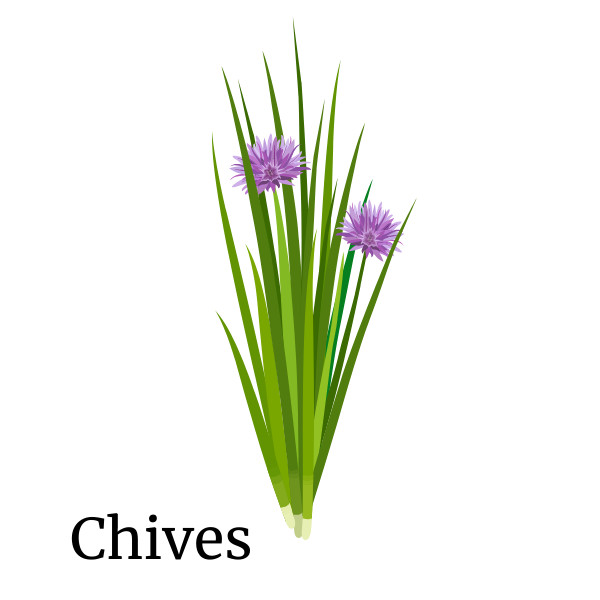
A summer planting might look like this: two or three tomato plants trained up a trellis at the back, basil tucked at their feet, a long patch of cut-and-come-again salad greens, a small cluster of herbs - chives, parsley, and something you reach for constantly - and nasturtiums at the corners to draw the eye and confuse the pests.
That's a summer's worth of salads, tomatoes for sauces and slicing, fresh herbs for every recipe you reach for, and flowers that look like they took real thought. It didn't take an acre. It took a plan.



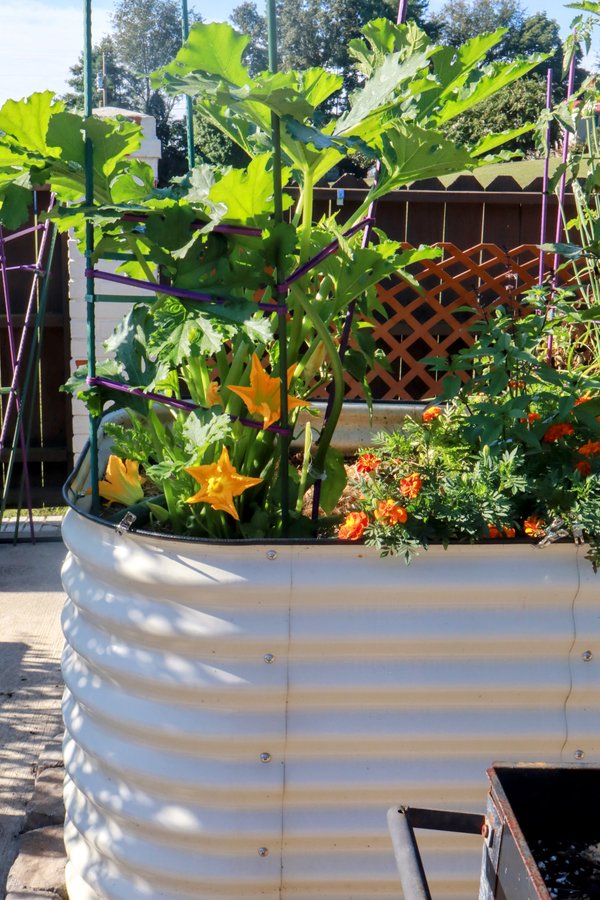
Going vertical - the small garden's best tool
Once you know your layout, timing is everything. See how to build your planting schedule around your frost dates so each bed is working from the first warm week to the last frost of fall.
Succession planting - more harvests from the same space
Most beginners plant once in spring and let the bed run its course. The gardeners who get the most from a small space think in two or three rounds.
When the spring lettuce bolts in June, pull it and put in basil or a late-season pepper transplant. When the first cucumber planting finishes in August, sow a fast fall crop of salad greens or kale directly in its place. The bed runs from April to November instead of April to July, from the same 32 square feet.
A small notebook or a dedicated garden journal makes this easy to track. You don't need to figure it all out before the season starts - just know that an empty patch in summer isn't the end of the story. It's a planting window.
Making it beautiful - the potager approach
The traditional French kitchen garden - the potager - was never purely utilitarian. It was productive and beautiful at once, by intention. Flowers grew among the vegetables. Herbs edged the paths. The whole thing looked like it belonged in a painting rather than a row.
That's not harder than a plain vegetable bed. It's the same bed with a few additions. Nasturtiums at the corners - they're natural pest traps, drawing aphids away from your tomatoes and looking like a gift while they do it. Calendula scattered throughout, attracting beneficial insects. Basil in every empty gap, keeping whitefly at bay and filling the air when you brush past it. Marigolds at the edge, which have earned their reputation as general-purpose pest deterrents over centuries of kitchen garden use.
The garden feeds you and delights you in the same breath. That's the whole point.
When you're ready for more than one bed
One 4x8 bed is enough to start. Get the season under your belt, notice what you ran out of and what you had more than enough of, and pay attention to what the bed taught you about your light, your soil, and your own patterns.
A second bed opens up real options. Dedicated plantings - one bed for summer crops, one for herbs and flowers, one for cool-season greens that run spring and fall. Or simply stagger the same crops two weeks apart in two beds, and you'll harvest continuously instead of all at once. You'll know exactly where to go from here. You can't quite know that yet.
The size of your garden has almost nothing to do with how much it produces. The plan does. And the plan is something anyone can make.