Library / Planning & Timing
Planning & Timing5 Vegetable Garden Planning Mistakes That Will Cost You a Harvest
These aren't beginner mistakes. They're the mistakes every gardener makes when they're working from the wrong information.
The 5 Mistakes
- Planning by zone instead of by frost date
- Buying transplants before your frost date passes
- Starting with too much, too fast
- Leaving beds empty after summer
- Underestimating what soil does
Mistake 1 - Planning by zone instead of by frost date
You've heard of growing zones. They're on plant tags, in seed catalogues, in every article about gardening you've ever come across. USDA Hardiness Zone 6. Zone 7. Zone 8. For perennial plants - shrubs, fruit trees, flowering vines - zones tell you something real about what will survive a winter. For vegetables, they're nearly useless for timing.
What actually drives a successful vegetable garden planner is your last spring frost date and your first fall frost date - two specific dates for your specific zip code that tell you exactly when warm-season crops can safely go outside and how long your season runs. Two gardens in the same hardiness zone can have frost dates six weeks apart. Their growing windows look completely different. (Read more about why zones don't work for garden planning.)
Look up your frost dates before you plan anything else. That's the calendar everything else is built around. You can find yours through the NOAA frost date tool or by searching your zip code alongside "last frost date."
Mistake 2 - Buying vegetable transplants before your frost date
Garden centers put tomatoes out in March. Sometimes late February. They're beautiful - deep green, full of possibility, and a little bit irresistible after a long grey winter. So every year, gardeners buy them. And then they either rush them into the ground too early, or they try to keep them alive indoors for weeks, watching them stretch and pale and get stressed before the season has even started.
A tomato transplant that goes into the ground two weeks after your last frost will outperform one that went in two weeks before it, every time. The soil is warmer. The nights are safe. The plant hits the ground running instead of just surviving.
Wait for your date. The garden center will still have plants - and you'll have a better season for the patience.
Not sure when to start seeds indoors? See our guide on the count-back method for seed starting - it uses your frost date to calculate exactly when each plant should be started.
Mistake 3 - Starting with too much, too fast
Mistake 4 - Leaving beds empty after summer
This one is quiet and extremely common. The tomatoes wind down. The squash finishes. The beds look spent by late August and the season feels over. So the garden gets left empty until the following spring, which means half the year sits unused.
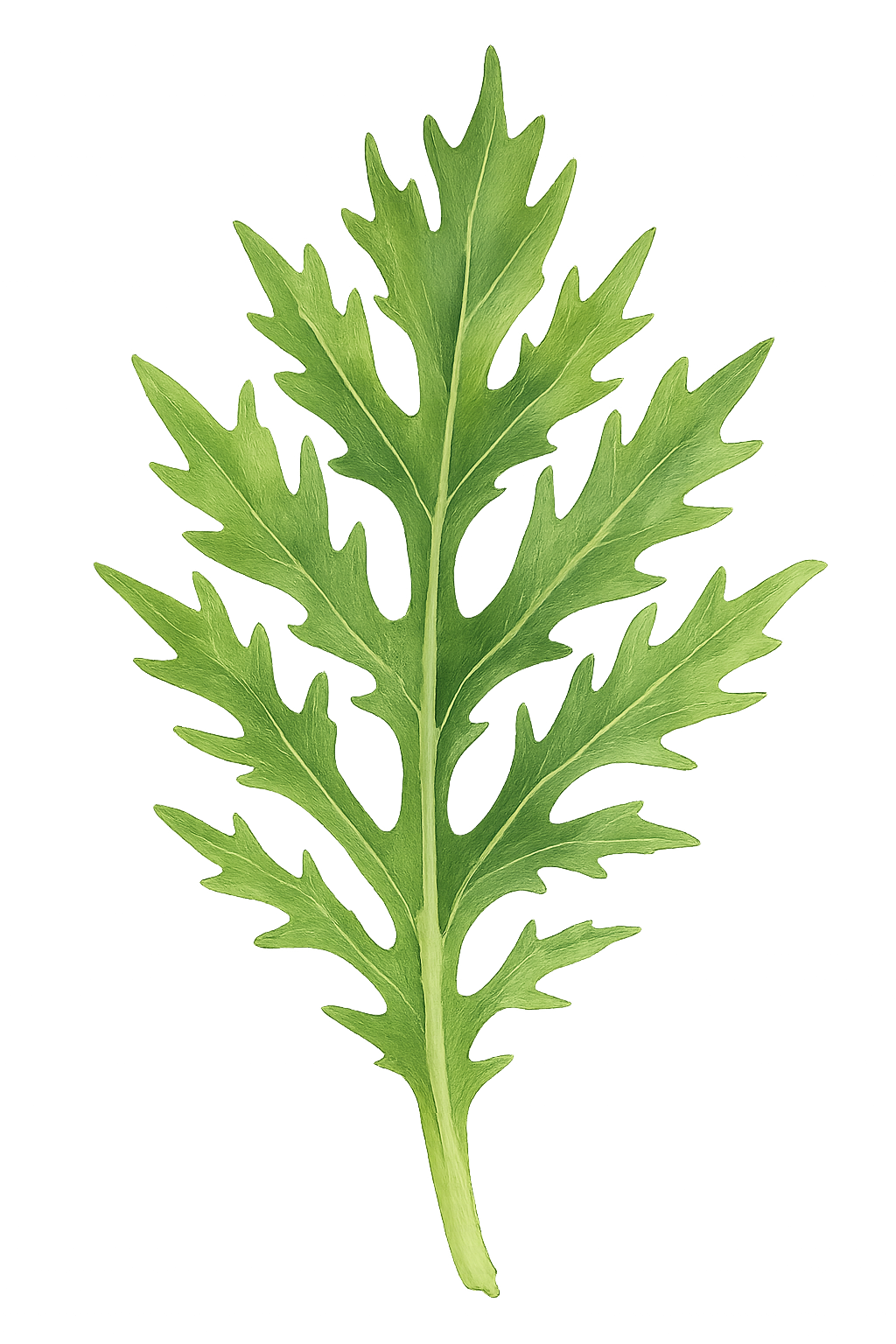
The fall kitchen garden is often the most rewarding part of the whole year. Cooler temperatures suit a whole set of crops that struggled in the summer heat - kale, spinach, arugula, chard, beets, carrots. They grow sweeter after a light frost. Pest pressure drops off sharply. The work is gentler, the air is cooler, and there's something quietly satisfying about still harvesting something in late October when everyone else has put the garden away.
The window for fall planting opens sooner than most people expect - mid to late summer, counting backward from your first fall frost date just like the spring version. Plan for it before the summer garden is even finished. Once the beds are clear, it's too easy to let the moment pass.
Mistake 5 - Underestimating what soil does
Seeds and transplants don't fail from bad luck. They fail in bad soil. Hard, depleted, or poorly draining ground will struggle to grow anything worth eating - regardless of what you plant in it, how carefully you water, or how much sun the spot gets. The soil is doing most of the work. When it can't do that work, nothing else compensates.
Good soil doesn't need to be perfect. It needs to be loose enough to drain and hold moisture, with enough organic matter to feed what's growing in it. A generous layer of compost worked into the top of a bed before planting will do more for your kitchen garden than any fertilizer, any particular variety, or any technique you've read about. Start there, every season.
The most experienced gardeners you'll ever meet are obsessed with their soil. That's not a coincidence.
None of these are permanent problems. Every one of them is a planning decision - and the window to make a different one is almost always still open. The garden rewards the gardener who shows up with a little more information than last time.