Guides / Planning & Timing

    Planning & Timing

    When to Start Seeds Indoors

    The count-back method - a simple way to find your seed-starting dates using the one number that actually matters for your garden.
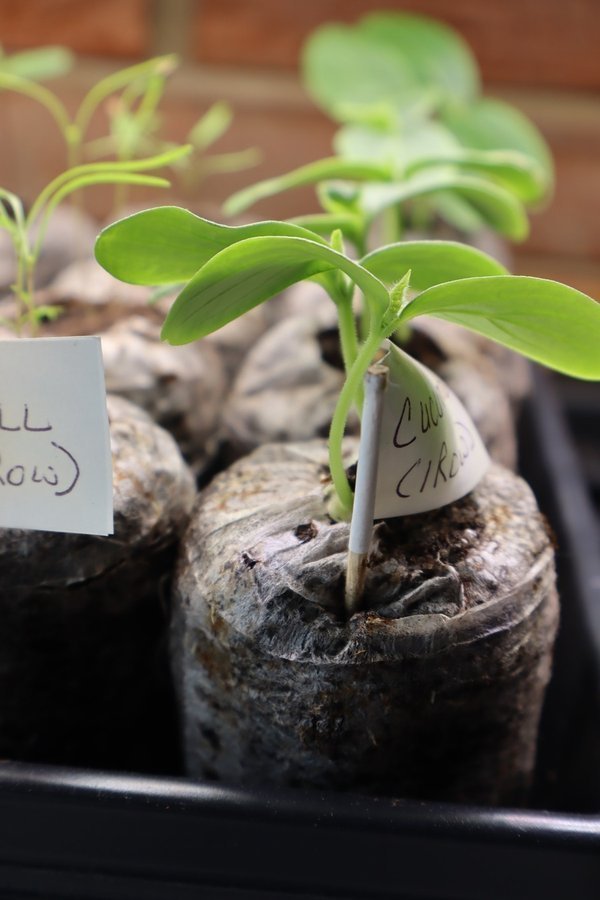
    Seed starting trays with young seedlings growing indoors under light - indoor seed starting setup

    Most seed-starting guides will tell you to plant tomatoes in March. Or April. Some say February. The date on the calendar isn't wrong, exactly - it's just not written for your garden. It's written for wherever that person happens to live, and the two of you may be working with completely different frost dates, completely different growing seasons.

    The only seed-starting schedule that actually works is one anchored to a single number specific to your zip code: your last spring frost date. Once you have that date, the rest is simple arithmetic.

    You can find your last frost date by searching your zip code through the NOAA frost date tool or through a cooperative extension service in your state. Write it down. It's the most useful number in your gardening year.

    Quick Reference: Seed Starting Chart

    The Rule: Count backward from your average Last Spring Frost Date.

    • Peppers & Eggplant10-12 weeks before frost
    • Tomatoes6-8 weeks before frost
    • Basil4-6 weeks before frost
    • Broccoli, Kale, Cabbage4-6 weeks before frost
    • Cucumbers & Squash3-4 weeks (or direct sow)

    The count-back method, explained simply

    Every plant that benefits from an indoor head start has a recommended lead time - the number of weeks it needs to grow big enough to transplant into the garden after your last frost. That number is on your seed packet. Find it, count backward from your frost date, and that's when you start that seed.

    Most crops land in one of a few windows. Peppers and eggplant need 10 to 12 weeks - they're slow growers, and starting them early is the difference between a full pepper harvest and a frustrating one. Tomatoes take 6 to 8 weeks. Leeks and onions are similar to peppers - slow to develop, worth starting early. Basil needs 4 to 6 weeks, no more. It grows fast, it hates cold, and a basil seedling started too early just gets tall and sad before it has anywhere to go.

    Squash, cucumbers, and melons are worth a separate note. They can be started 3 to 4 weeks before your last frost, but they grow quickly and don't love having their roots disturbed at transplanting. In most climates, direct-sowing them into warm soil right after your last frost produces results just as good - and skips the indoor step entirely.

    Need help planning your layout? See our guide on planning a vegetable garden for beginners to decide where these plants will go once they leave your windowsill.

    What goes straight into the ground

    Not everything needs indoor trays and grow lights. Some of the best early-season eating comes from seeds that go directly into the soil - no equipment, no fuss.

    Cool-season crops go in weeks before your last frost. Peas, spinach, lettuce, kale, chard, carrots, radishes, and beets can all handle cold soil. Some of them prefer it. A row of peas pushed into the ground on a grey March morning is one of the most optimistic things a gardener can do. They'll reward you early, long before the tomatoes are ready.

    After your last frost, direct-sow beans, sunflowers, and corn. Squash and cucumbers in warmer climates do well this way too. They grow fast from seed when the soil is warm, and they tend to catch up with - and often surpass - transplants started indoors.
    rhubarb plant illustrationchervil herb illustrationmarjoram herb illustrationlemon verbena plant illustrationlovage herb illustration

    Indoor Seed Starting Setup: What You Actually Need
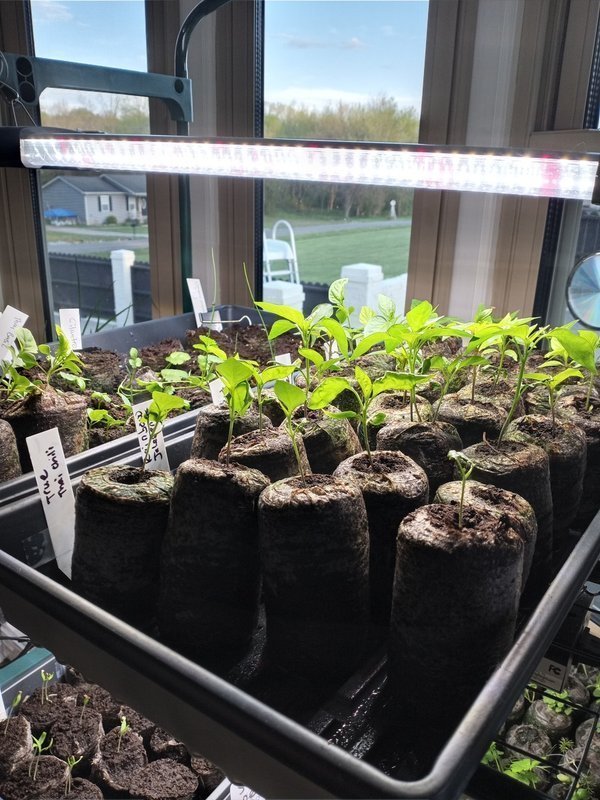
    Indoor seed starting supplies - seed trays, grow lights, and seedlings ready for transplanting

    The indoor setup doesn't need to be complicated. A bag of seed-starting mix - not garden soil, which is too dense for seedlings to push through - and something to start them in. Trays with cells work well. Small pots, cleaned yogurt containers with drainage holes poked in the bottom, egg cartons - all of these work.

    Light is where most indoor starts succeed or struggle. A very bright south-facing window can work for some crops. A basic grow light is more reliable - seedlings next to a window tend to lean and stretch toward the glass, and leggy seedlings don't transplant as well. If you're starting tomatoes or peppers, a simple grow light is worth it.

    Warmth matters more than light at the germination stage. Seeds sprout faster on a warm surface. The top of a refrigerator works. So does a seedling heat mat, or a warm corner of a kitchen counter that gets afternoon sun. Once the seedlings are up, you can move them to the light.

    Hardening off seedlings before transplanting
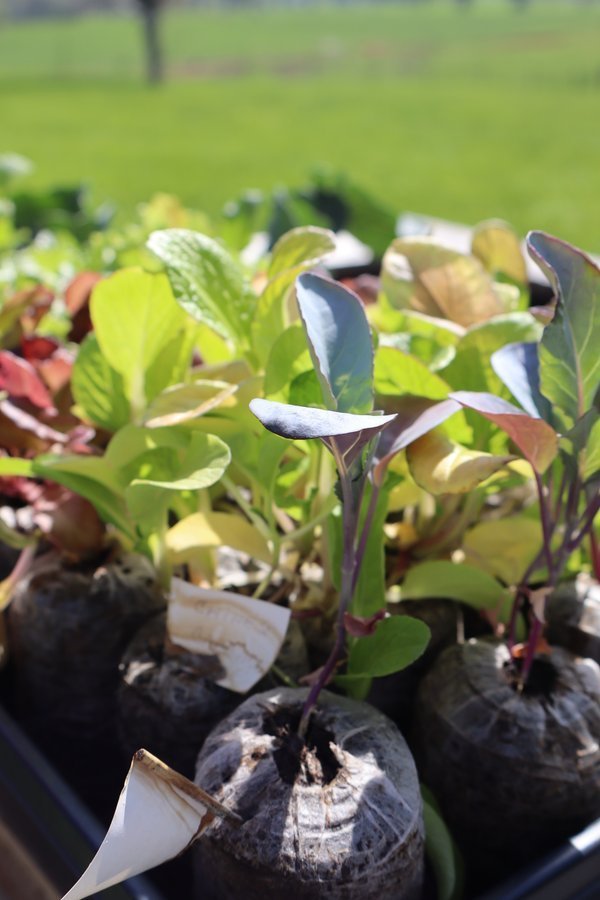
    Seedlings set outside to harden off before transplanting into the vegetable garden

    The difference between the inside of your house and the garden is bigger than it looks. Your kitchen doesn't have direct sun, wind, or wide temperature swings. A seedling moved straight from a windowsill to a garden bed on a sunny afternoon will show the stress - wilting, scorched leaves, or transplant shock that can set a plant back weeks.

    Spend 7 to 10 days bridging the gap. On the first day, set your seedlings outside in a sheltered, shaded spot for an hour. Add time each day. By mid-week, let them have some morning sun. By the end of the week, they should be able to handle full outdoor conditions. Bring them inside if there's any frost risk.

    This is the most frequently skipped step in the seed-starting process, and it's the one most often blamed as a transplanting failure. The seedlings were fine. They just needed a slower introduction.

    Start fewer than you think you need

    The seed catalogues arrive in January when everything feels possible, and it's tempting to start a full flat of tomatoes, a tray of peppers, and everything else you circled. Resist it.

    Two or three tomato plants will produce more than most households can use fresh. A few pepper plants, a small cluster of basil starts, two cucumber seedlings. More starts means more space under the lights, more hardening off, more competition for your attention at a time of year when everything needs it at once.

    Start with what you can genuinely tend, transplant with care, and track from seedling to harvest. Next year you'll know exactly what you want more of - and what turned out to be more than enough.
    melon plant illustrationlemongrass illustrationsavory herb illustrationmizuna greens illustration

    Your planting schedule, built from your actual frost dates.

    Garden Game Plan is a 52-week printed planner built specifically for your zip code. It handles the count-back math for you - every week tells you what to start, what to direct-sow, and what's coming next. It lives on your kitchen counter and it gets used.

    See How It Works
    ← Back to all guides