Library / Start Here
Start HereVegetable Garden Planning for Beginners
How to plan a kitchen garden that actually works - starting with the one piece of information most beginners never look up.
Quick Start: 4 Steps to Your First Plan
- Find Your Frost Dates: Your season starts and ends here.
- Choose 5-8 Crops: Focus on what you actually eat.
- Sketch Your Layout: Keep beds narrow (4ft max) for access.
- Create a Schedule: Work backward from your last frost.
Start with your frost dates
Warm-season crops - tomatoes, peppers, cucumbers, squash - go in the ground after your last frost date. Cool-season crops - lettuce, kale, carrots, peas - can go in weeks before it, and again in late summer before the first fall frost. Two seasons, not one. Most beginners only grow one of them and wonder why their garden feels short.
If someone online tells you to plant tomatoes in April, they're not wrong - for their garden. But if your last frost is May 10th, you'll lose the whole plant to a cold night. This is why generic advice so often fails. It was never written for your location.
Grow what you actually cook with
The most productive kitchen garden is one planted with intention. Not ambition - intention. Start with a short list of things you buy at the farmers market every week, things you run out of mid-recipe, things that would genuinely change how you cook if you had them fresh and abundant.
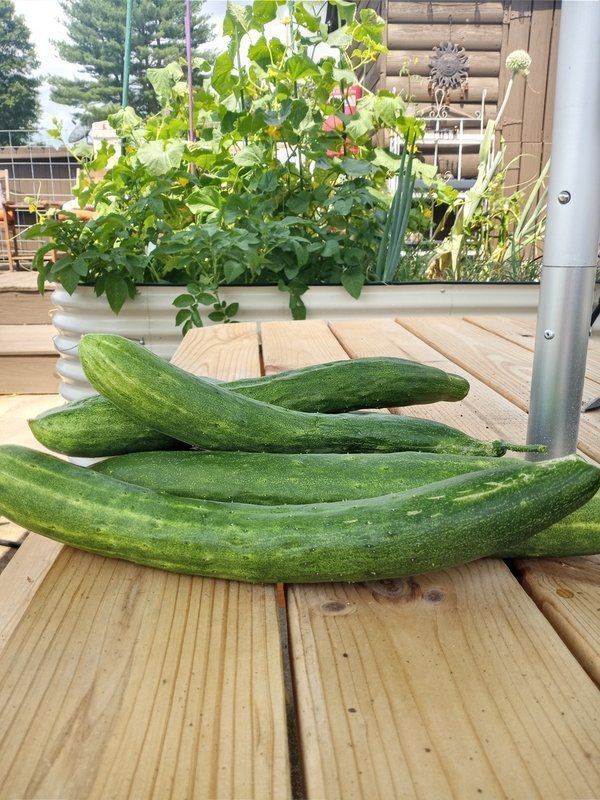
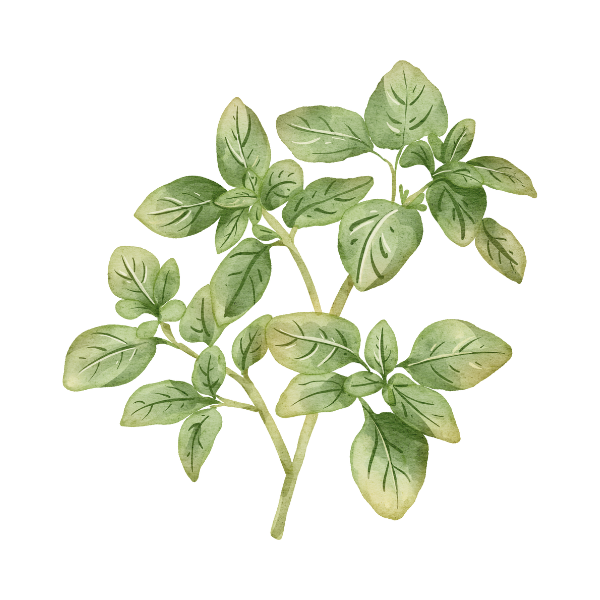
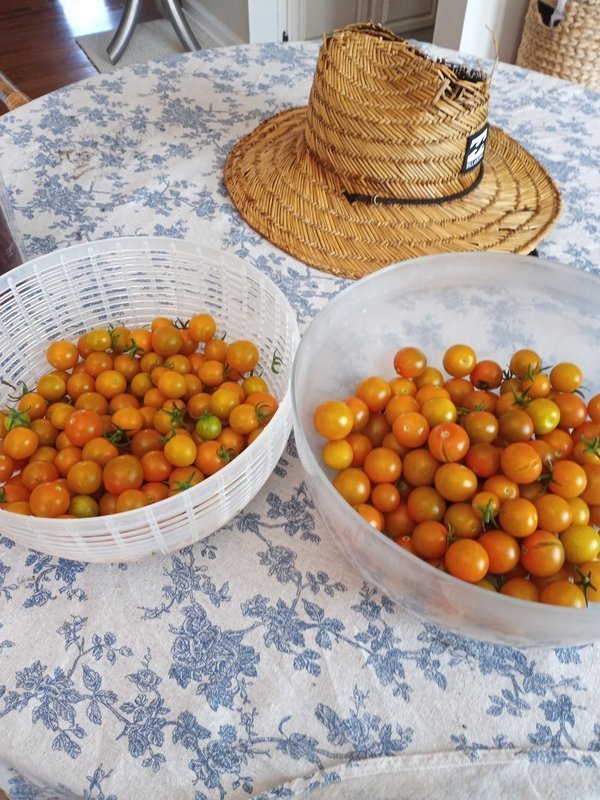
Fresh herbs are almost always on that list. A few tomato plants. Salad greens you can cut-and-come-back to. Maybe cucumbers if you eat them constantly. The point isn't volume - it's growing what will actually get used before it bolts, rots, or becomes a guilt trip.
Start with five to eight things. One season in a focused small garden will teach you more than three seasons in a scattered large one.
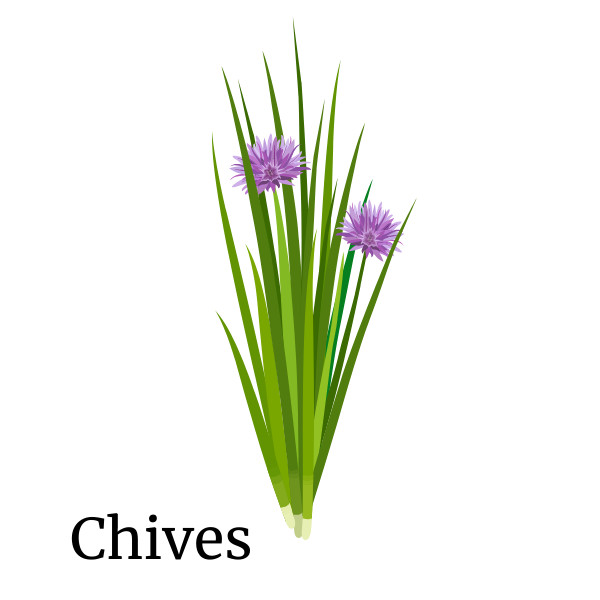
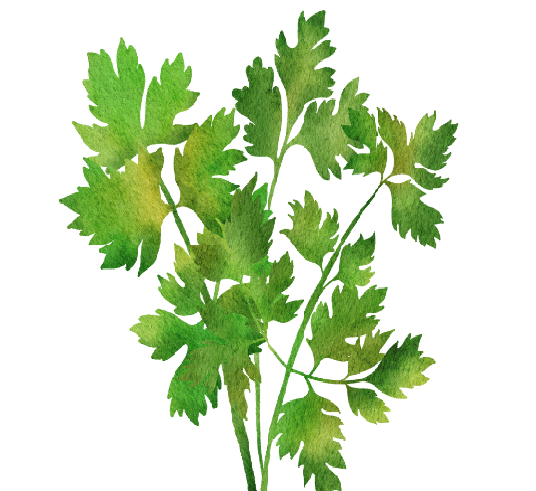
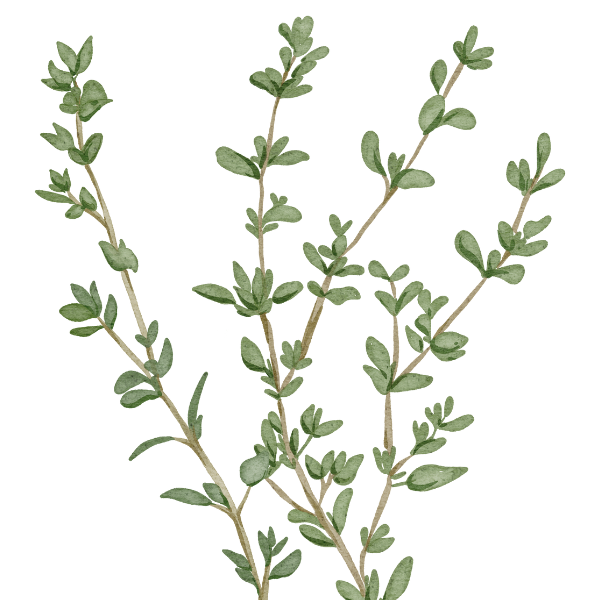
Vegetable Garden Layout: Simple Ideas for Beginners
How your first season actually unfolds
Early in the year, while it's still cold, is when you plan on paper and start a few things indoors - tomatoes, peppers, and anything else that needs a long head start before your last frost. This is also when you order seeds. Good varieties sell out.
A few weeks before your last frost, cool-season crops go in. Salad greens, peas, carrots, brassicas. They can handle a light frost. Some of them prefer it. Then after your last frost, the warm-season plants follow - either from transplants you started or bought from a nursery.
Midsummer is when things get abundant and slightly chaotic. This is the best part. You're harvesting more than you planned for and figuring out what to do with it. You're cutting basil every few days so it doesn't flower. You're bringing bags of cucumbers to neighbors.
In late summer, you pull out what's finished and put cool-season crops back in for fall. Most first-time gardeners skip this entirely and leave the bed empty until the following spring. Don't. Your fall garden will be some of the best eating of the year.
What makes the difference in year one
It isn't the soil amendment you chose or whether you used raised beds or in-ground. It isn't the specific varieties, though good varieties help. It's whether your timing was right for where you live.
A frost date is a probability, not a guarantee. A late cold snap can still catch you. But gardening by your actual frost dates instead of by general advice - or by what worked for someone in a completely different climate - is what separates a garden that mostly works from one that mostly doesn't.
Keep notes. Even rough ones. What you planted, when, what happened. Your second season will be better for it.
Read Next: When to Start Seeds Indoors (Chart) →