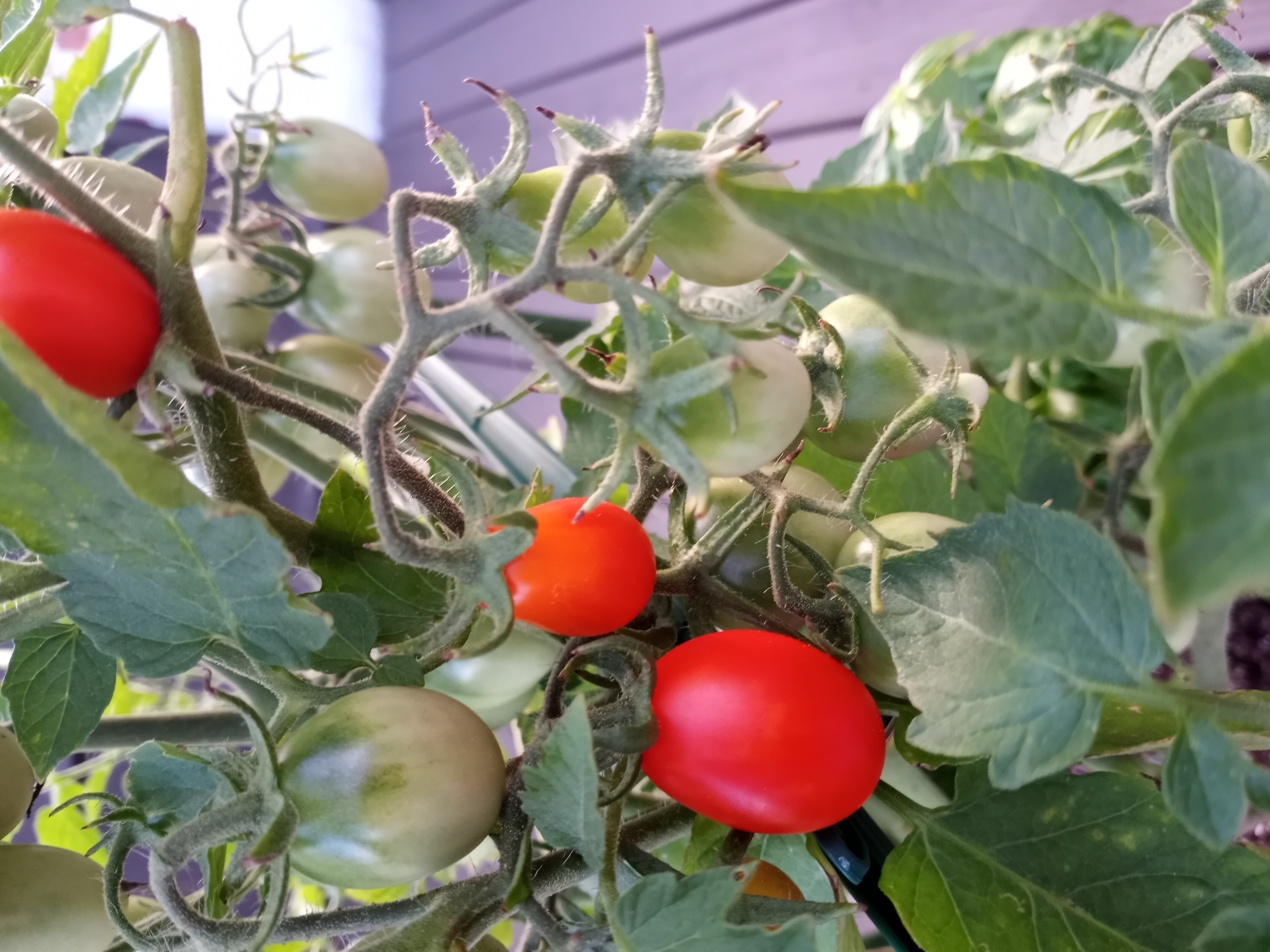
Here's a story that might sound familiar. You're on Instagram, and someone in your same Zone 7 is posting photos of tomato transplants going into the ground. The timing looks right. So you do it too. Two weeks later, yours are gone — pale, limp, gone — and hers are thriving. You wonder what's wrong with you. Nothing is wrong with you. Everything is wrong with the zone.
USDA Hardiness Zones were designed in the 1960s to answer one very specific question: Will this tree survive winter? They measure minimum winter temperatures — how cold it gets at the absolute worst moment of the year. That's it. That's all they do.
"Zone 7" stretches from the humid, early-spring suburbs of northern Virginia to the cool, fog-draped valleys of western Oregon. Planting tomatoes on the same date in both places isn't gardening. It's guessing.
For woody perennials — roses, fruit trees, shrubs — zones are genuinely useful. For vegetables, which live and die by the timing of spring's arrival, zones are nearly meaningless. You could be in the same zone as someone three states away and have a last frost date six weeks different from theirs.
The zone tells you nothing about when spring starts. And for vegetable gardening, that is the only number that matters.
The Better Metric
The Two Numbers That Actually Run Your Garden
Forget the zone. Write these two numbers down instead.
Your Last Spring Frost Date is the date your region typically sees its final freezing night of the season. After this date, tender plants — tomatoes, basil, peppers, cucumbers — are finally safe outside. Before it, a single cold night can wipe out weeks of work.
Your First Fall Frost Date is the deadline. It's the moment your garden's productive season ends. If your tomatoes aren't ready by then, they won't be.
Tomatoes are a warm-season crop that hates cold. They go outside roughly two weeks after your last frost date — when the soil has had time to warm up, not just the air.
Lettuce is the opposite. It thrives in cool weather and can be planted four to six weeks before your last frost date, while the nights are still chilly.
Same region. Same yard. Two very different planting windows — because each plant has its own relationship with your frost dates.
This is the math that experienced gardeners do every spring. Not zone lookups. Not following Instagram. They find their frost date and work backward from it, crop by crop. It's the most important calculation in vegetable gardening — and almost nobody teaches it. Relying on zones is one of the most common garden planning mistakes we see beginners make.
The Problem
The Math Is Harder Than It Should Be
Every seed packet, every garden book, every well-meaning article will eventually tell you some version of: "Plant six weeks before your last frost." The advice is correct. The execution is where it falls apart. (If you want to try doing this calculation manually, read our guide on how to count back from your frost date.)
Here's what actually happens when you try to follow it:
- 1You go to the NOAA website to find your frost date. It takes longer than expected. You find a number — say, April 15th.
- 2You try to count backward six weeks on a calendar. You get confused about which direction to count. You second-guess yourself.
- 3You calculate March 4th. You realize it's already March 11th. You've missed the window.
- 4You decide to just plant a little late and hope for the best. (The garden does not reward hope over timing.)
Nobody does this math consistently. Not because they're lazy — because it's a surprisingly annoying process to do correctly, for every crop, every spring. So they guess. And the guess is usually a little late. And the harvest suffers for it.
The Solution
See Your Tomato Window Right Now
We built a calculator that pulls the actual NOAA weather station data for your specific zip code — not your region, not your zone, your zip code — and does the frost-date math for you, for every crop we track.
Enter yours below. The blue bar is your start-seeds-indoors window. The terra cotta bar is when your transplants go outside.
Find the exact dates for your zip code.
See Exactly When to Plant Tomatoes
Don't guess. Get the exact dates for your zip code.
See those bars? That's the lead time your tomatoes need. Start too late indoors, and your transplants go out undersized. Plant outdoors too early, and a cold night sets them back weeks. The window is real, and it's specific to where you live.
This is what "gardening by your weather" actually looks like: not vibes, not zones, not what someone in a YouTube video did in a different state. Your data. Your dates. Your plan.
The Takeaway
Stop Gardening by Zone. Start Gardening by Your Weather.
The zone number on your seed packet is a starting point for perennials, not a planting guide for vegetables. It was never meant to tell you when spring arrives in your yard — and it can't.
Your frost dates can. They're specific, they're science-based, and once you understand them, the entire growing calendar clicks into place. You stop guessing and start planning. The vegetables you put in the ground start surviving — and then thriving.
If you'd like the full planting calendar for all 44 crops we track, built for your zip code and updated for 2026, it's waiting for you. Every crop, every window, the math already done.